
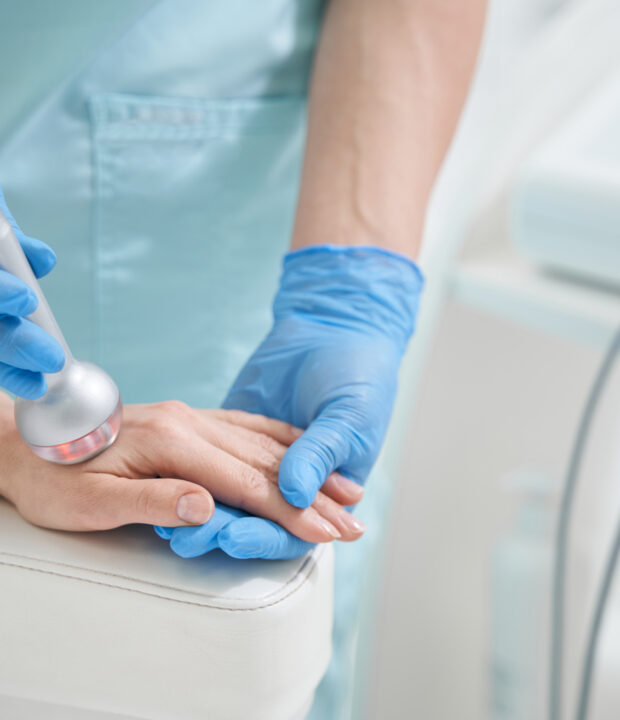
Regain Your Flexibility and Elasticity
Connective tissue disorders encompass conditions that impact collagen and/or elastin proteins, essential for connecting different body parts. Collagen provides structure and support to skin, tendons, bones, and ligaments, while elastin enables tissue flexibility without tearing.
Living with Connective Tissue Disorders
Those with Connective Tissue Disorder may experience inflammation flares and heightened injury risk. We believe these disorders shouldn’t strictly limit you but provide an opportunity to learn more about the intricacies of your body.
IPA can help with connective tissue orders including:
- Rheumatoid Arthritis: Autoimmune disorder primarily affecting joints, causing inflammation and potentially leading to joint damage and changes
- Scleroderma: Characterized by abnormal growth of connective tissue, leading to skin thickening and in some cases internal organ involvement
- Systemic Lupus Erythematosus: autoimmune disorder where the immune system attacks healthy tissues, affecting joints, skin, kidneys and other organs
- Ehlers-Danlos Syndrome (EDS) and its various forms: A group of genetic disorder characterized by hypermobility of joints, skin that is easily bruised and hyper-elastic, and a variety of other symptoms related to connective tissue fragility
- Marfan Syndrome: A genetic disorder affecting the connective tissues, leading to long limbs, joint hypermobility, and cardiovascular issues
- Hypermobility Spectrum Disorder: People with hypermobility exists on a spectrum those who do not meet the EDS criteria but manifest symptomatic hypermobility are considered to have HSD.
- Mixed Connective Tissue Disease (MCTD): This is a rare autoimmune disease diagnosed when a specific antibody known as anti-U1-ribonucleoprotein is present, and there are at least two connective tissue diseases, including systemic lupus erythematosus, systemic sclerosis, polymyositis, dermatomyositis, and rheumatoid arthritis also present
- Sub-types:
- Craniocervical Instability: Person may have a heavy head, headache, rapid heart rate, brain fog, neck pain, visual problems, dizziness, and chronic fatigue.
- Mast Cell Activation Syndrome: Individuals with this diagnosis may experience allergic symptoms such as hives, swelling, low blood pressure, difficulty breathing and severe diarrhea. High levels of mast cell mediators are released during those episodes.
- Gastroparesis: A slowing or stopping of normal muscular function of the stomach interfering with normal digestion and may cause nausea, vomiting and abdominal pain.
- Postural Orthostatic Tachycardia Syndrome (POTS): This subtype presents with a number of symptoms(fast heart rate, dizziness, fatigue, sense of weakness) when you transition from lying down to standing up, climb stairs, or be exposed to heat (hot showers or very warm weather)
- Sub-types:

Common CTD Symptoms
Living with connective tissue disorders means you may experience:
- Change in mobility; could be increased or decreased mobility
- Difficulty controlling movement
- Frequent subluxations/dislocations
- Constant low-grade full-body inflammation
- Heightened sensitivity to pain and tactile stimuli.
- Symptoms may extend to systemic issues affecting the heart, lungs, and other organs.
IPA Physio’s FMT Approach
At IPA Physio we take on treating the whole body when working together. It embraces a holistic approach to empower you and enhance your overall well-being. Examples of our interventions include:
Soft Tissue Mobilization:
- Applying techniques to reduce body pain, creating an environment where comfort prevails and quality of life is enhanced.
Posture Education:
- Guiding towards optimal sleeping, sitting, and standing postures, along with support utilization, fostering endurance and effective pain management.
Core System Activation:
- Improving access to the core system to alleviate pressure on joints, contributing to sustained joint health and functionality.
Proprioceptive Neuromuscular Facilitation (PNF):
- Applying PNF concepts to enhance the brain/muscle connection, improving strength, efficiency, and endurance.This not only aids in pain management but also diminishes the impact of future incidents or injuries.
Soft Tissue Mobilization:
- Applying techniques to reduce body pain, creating an environment where comfort prevails and quality of life is enhanced.
Posture Education:
- Guiding towards optimal sleeping, sitting, and standing postures, along with support utilization, fostering endurance and effective pain management.
Core System Activation:
- Improving access to the core system to alleviate pressure on joints, contributing to sustained joint health and functionality.
Proprioceptive Neuromuscular Facilitation (PNF):
- Applying PNF concepts to enhance the brain/muscle connection, improving strength, efficiency, and endurance.This not only aids in pain management but also diminishes the impact of future incidents or injuries.