The Isometric Advantage

The Isometric Advantage

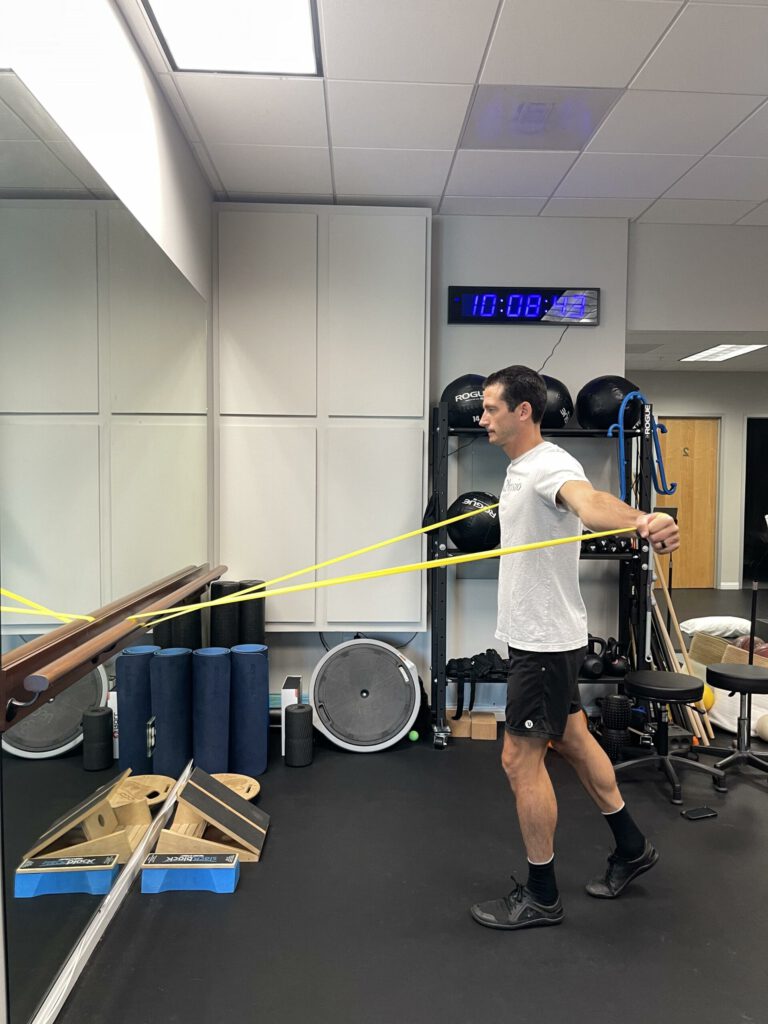
Most of the time when people strength train they are focused on how much weight they should lift and how many sets and repetitions they should perform. While this impacts training adaptations related to strength, endurance, and power, I challenge you to think of one other variable – how long you should hold a position on tension. When your muscles are contracting to maintain a position without movement, this is called an isometric contraction. Here are 3 reasons why you should add isometrics to your training regimen:

Isometric exercises are under utilized

Isometric exercises, maintained contractions without movement, are under-rated and under-utilized in most training programs. When we hold a contraction for an extended period of time our brain sends signals to the working muscles to recruit more and more motor units. Motor units are composed of a motor nerve and all of the muscle fibers it innervates. When you squat, you do not fire all of the motor units in your quads, glutes, hamstrings, etc during every repetition. Your body is smart and moderates how many units are needed based on load, and varies this slightly with each repetition to help avoid fatigue and maximize strength output. Isometric exercises help us access a greater number of motor units through a process called summation. This, in turn, will enhance the variability of our muscle recruitment and allow us to access a greater degree of our inherent strength. Pain and injury will negatively impact motor unit recruitment and the primary means of reinstating optimal motor unit recruitment is progressive isometric training. 

Own the position     

Isometric exercises allow us to fully ‘own the position’ and therefore ‘own the movement ’. When you hold a bodyweight squat position for 30 seconds you have time to evaluate and feel your form / technique. Is your weight distributed equally between big toe / little toe / and heel (foot tripod)? Are your quads and glutes doing the majority of the work? Is your back and core stabilizing but not straining? Are your shoulders and neck position in line with your spine? It is more challenging to be aware of all of these variables when performing repetitions, and therefore there is significant value in performing isometric exercises, particularly for rehabilitation and learning proper technique. Once you have performed holds to ‘own the position’ you can transition to slow, controlled repetitions, trusting that your mechanics are spot on.

Decrease pain

Isometric exercises will help decrease pain associated with tendon dysfunction. If you are suffering from tendinitis or tendinopathy you need to incorporate isometric holds into your rehab program. When using isometric exercises for tendon pain, start in the middle of a range (not end range) and hold the position for 30-60 seconds. Perform 3-5 repetitions. You can do this every day and progress the range and duration as you become more comfortable.

Ready to start? Try these foundational exercises to enhance upper and lower body strength: 

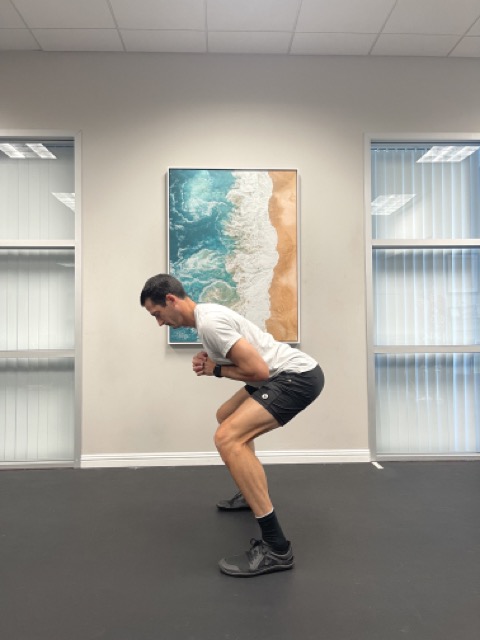
  • Isometric bodyweight squat – Drop down into a squat position. Make sure your back is straight. Feel the weight in the middle of your feet – equal between big toe, little toe, and heel. Engage your legs in an exaggerated way (like you are trying to push the floor down an inch), so that your back can stay relaxed. Hold this position for 30 seconds to 1 minute.

Ready to start? Try these foundational exercises to enhance upper and lower body strength: 

  • Isometric bodyweight squat – Drop down into a squat position. Make sure your back is straight. Feel the weight in the middle of your feet – equal between big toe, little toe, and heel. Engage your legs in an exaggerated way (like you are trying to push the floor down an inch), so that your back can stay relaxed. Hold this position for 30 seconds to 1 minute.

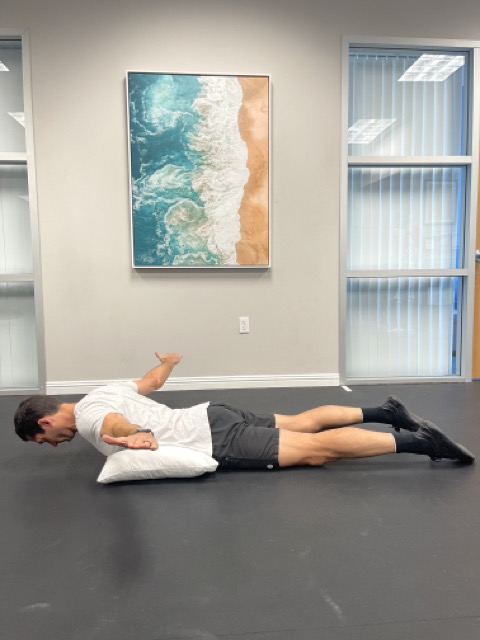
  • Isometric scapula ‘T’ stabilization – lie on your stomach, supporting your low back with a pillow, and your head and neck with a towel. Lift your arms out to the side, pinching your shoulder blades together. Keep your elbows locked out. Don’t shrug your shoulders up towards your ears. Hold this position for 30 seconds to 1 minute.

If you’re ready to incorporate isometric holds into your routine or need guidance on how to safely implement them, please contact your local IPA Physio location for expert advice and personalized support. We’re here to help you achieve your fitness and rehabilitation goals!

Kinesio Tape 101

An Introduction

Kinesio tape, first introduced to the world during the 1988 Summer Olympics, has steadily gained popularity over the years. Its initial introduction to the U.S. occurred in March 1995 in Portland, Oregon, at the Northwest Athletic Trainers Association Annual Clinical Symposium. Although it began as a relatively niche tool, the 2008 and 2012 Olympics marked a turning point, propelling Kinesio tape into the mainstream. Today, it’s a staple in professional sports and rehabilitation settings around the globe.

What Sets Kinesio Tape Apart?

The tape itself is a marvel of design, utilizing a heat-activated acrylic adhesive applied in a wave pattern—said to mimic the natural waves of fingerprints. It’s made from 100% cotton fibers, which contribute to its elasticity. 

The concept of using tape to support or provide tactile input to the body isn’t new. For decades, athletes and trainers have utilized various forms of taping for support. However, Kinesio tape distinguishes itself from traditional athletic tape in several key ways.

One of the most significant differences is that Kinesio tape doesn’t restrict motion like athletic tape. Instead, when applied correctly, the tape allows for natural movement while still providing the necessary support and feedback. 

The Stretch Amount Impacts the Results

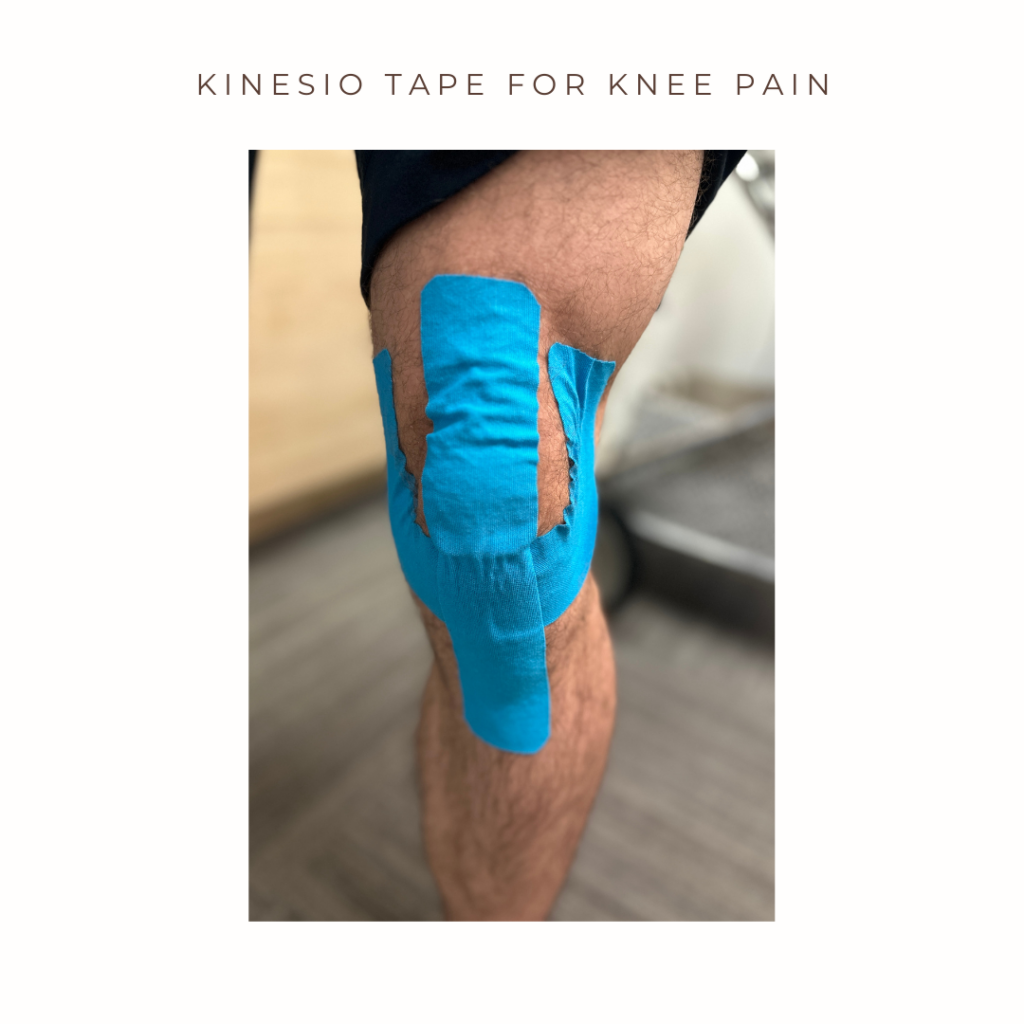
The versatility of Kinesio tape lies in its application. Depending on the amount of stretch applied, it can increase stability in vulnerable or unstable structures, enhance muscle activation through increased sensory awareness, or reduce sensitivity by continuously stimulating various sensory nerves in the skin.

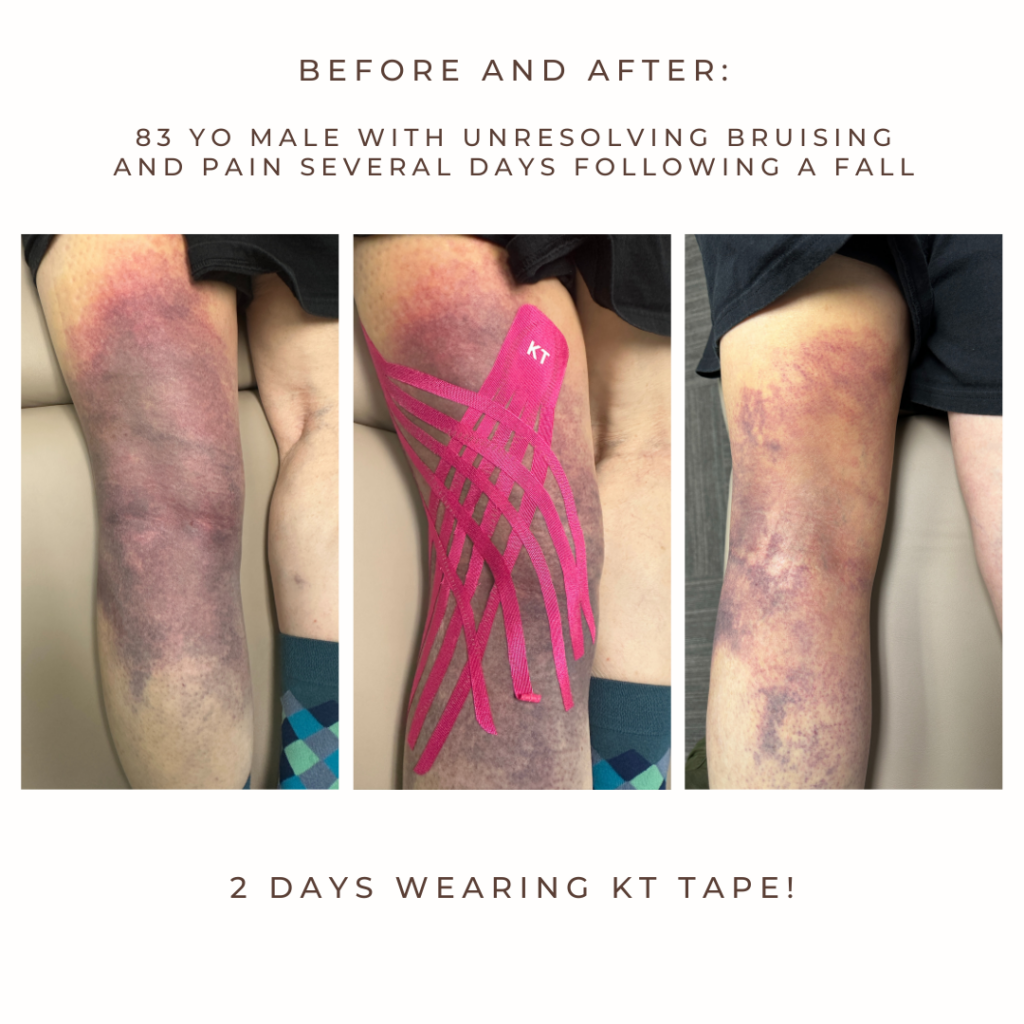
When applied with less than 50% stretch capacity, the real magic happens. This causes the tape to recoil, creating a slight lift in the skin layers. This lift, which occurs between the epidermis (top layer of skin) and the dermis (just below the epidermis), increases lymphatic drainage, effectively reducing swelling and bruising. Additionally, this recoil is a strong sensory stimulus to our brains, improving our perception of pain and providing tactile input to specific regions of our body. 

Need more stability or support of a structure? Increasing the stretch on the tape to greater than 50% of its capacity eliminates the recoil effect and provides the support of athletic tape without restricting motion. When correctly applied there will be no tension in the anchors, prolonging the wear time and comfort,  and maximizing the results from the tape. 

Beyond its physical support, Kinesio tape also plays a role in facilitating posture changes. The constant tactile stimulus it provides can drastically reduce the time needed to form new habits, making it an effective tool for posture correction.

Numerous studies have shown that Kinesio tape can alleviate pain, which is a game-changer for rehabilitation. By reducing pain, Kinesio tape provides a critical window of opportunity to work on loading weak and vulnerable tissue structures, aiding in recovery and strengthening.

Conclusion

In conclusion, Kinesio tape has revolutionized the approach to taping in sports and rehabilitation. Its unique properties not only support physical structures but also aid in pain management, posture correction, lymphatic drainage, and sensory stimulation. As research continues to explore its benefits, Kinesio tape remains a valuable tool for athletes, trainers, and rehabilitation professionals worldwide.

References

Ghai, S., Ghai, I., & Narciss, S. (2024). Influence of taping on joint proprioception: a systematic review with between and within group meta-analysis. BMC musculoskeletal disorders, 25(1), 480. https://doi.org/10.1186/s12891-024-07571-2

Kase, K., Wallis, J., Kase, T., (2013). Clinical therapeutic applications of the kinesio taping method. 3rd edition. 

Luo, Y., Chen, X., Shen, X., Chen, L., & Gong, H. (2024). Effectiveness of Kinesio tape in the treatment of patients with patellofemoral pain syndrome: A systematic review and meta-analysis. Medicine, 103(23), e38438. https://doi.org/10.1097/MD.0000000000038438

A PT's Guide to Self-Care When Breastfeeding Becomes Painful

A PT’s Guide to Self-Care When Breastfeeding Becomes Painful

You may be asking yourself, “Why is a physical therapy blog addressing the topic of breastfeeding?” I have been on a journey with my kiddo as we go through the first hand experience of the challenges and bonding that comes with breastfeeding in the modern era. As I prepared for my goals to nurse my daughter during pregnancy, I did much reading and research and was not surprised to learn that breastfeeding has many short term and long term effects for baby and mom. For the purposes of this blog I am going to focus on some tips or hacks to help mom when breastfeeding can become painful. 

It is crucial to note that some moms are unable to breastfeed for a myriad of reasons. It is important that these moms do not feel shame or defeat. This is a very personal topic, and our goal is to highlight methods of self care.

Effective Self-Treatment Approaches for Common Breastfeeding Challenges

Breastfeeding can be a beautiful and rewarding experience, but it also comes with its fair share of challenges. Common issues such as clogged milk ducts, chapped or bleeding nipples, engorged breasts, and related neck and back pain can make this journey difficult. Fortunately, there are several self-treatment approaches that can help alleviate these problems and support a smoother breastfeeding experience. Here’s a guide to addressing these common obstacles.

1. Clogged Milk Ducts

Clogged milk ducts occur when milk flow is obstructed, leading to tenderness, swelling, and sometimes a lump in the breast. Here’s how you can address this issue:

  • Breastfeeding or Pumping: Even though it is uncomfortable, the best way to clear the clog is to have your baby help you. 
  • Proper Latching: Ensure baby is latching on correctly. This is when to access the collaborative team of a FMT and a lactation consultant.
  • Warm shower: Jumping in the shower and gently moving your breasts around. 
  • Massage: Gently massage the clogged area in a circular motion starting at the chest wall and working toward the areola/nipple while in a warm shower, feeding or using a Haakaa. 
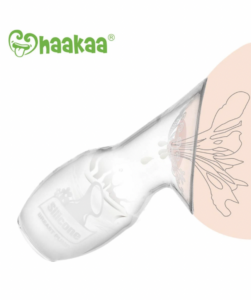
  • Haakaa: If you can’t get in the shower fill your Haakaa with warm water and gently massage the breast. 

  • Hydration and Rest: Drink plenty of water and get enough rest. Staying hydrated and well-rested supports overall milk production and flow.
  • Avoid Tight Clothing: Wear loose-fitting bras and clothing to avoid constriction that can worsen the blockage. This includes nursing pads that may be saturated.

**It is important to note that when a clogged milk duct becomes infected it creates mastitis. This is a serious condition and needs to be addressed immediately by your primary care provider or obstetrician. 

2. Chapped or Bleeding Nipples

Chapped or bleeding nipples can cause discomfort for both the mother and the baby and may lead to latching difficulty and insufficient milk intake. Here’s how you can ease this:

  • Air exposure: Let your nipples air dry after feedings whenever possible.
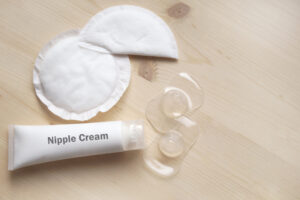
  • Nipple cream: Use a lanolin-based nipple cream, such as Lansinoh, to soothe and protect your nipples.

  • Warm/Cold compresses: Apply a warm compress to your nipples before breastfeeding to help with pain relief. After feeding, a cool compress can help reduce inflammation.
  • Breast pads: Use absorbent breast pads to keep your nipples dry and prevent friction.
  • Avoid harsh detergents: Use gentle laundry detergents on your bras and clothing to prevent irritation.
  • Correct Positioning for latching: Hold your baby in a comfortable and supported position. The baby’s head, neck, and body should be aligned. The baby’s mouth should cover a good portion of the areola, not just the nipple. Here are Tips for First Time Moms for Breastfeeding which provides ideas for positioning.
  • Use Nipple Shields: If nipple issues persist, consider using a nipple shield temporarily to help the baby latch more effectively with less pain and allowing tissues to rest. 
  • Seek Professional Help: If difficulties continue, seek a lactation consultant and doctor to care for your skin. They can provide personalized guidance and support.

3. Engorged Breasts

Breast engorgement occurs when the breasts become overly full and swollen, often causing discomfort. Here’s how to relieve engorgement:

  • Feeding or pumping: Breastfeed or pump frequently to relieve pressure. This is a little tricky when your baby is young because sorting out the supply level requires some trial and error. 
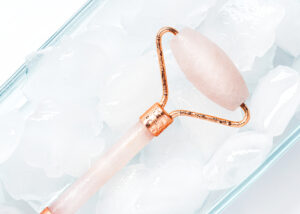
  • Cold Compresses: Apply cold compresses or chilled cabbage leaves to the engorged areas to reduce swelling and pain. Use the compresses for 10-15 minutes at a time. I love a chilled facial roller for this.

  • Gentle Massage: Gently massage the breasts to help with milk flow and reduce engorgement. Use your fingers in a circular motion from the outside of the breast towards the nipple.
  • Avoid Over-Pumping: Over-pumping can lead to increased milk production and worsen engorgement. Pump only as needed to relieve discomfort.
  • Proper Bra Fit: Wear a supportive, well-fitting bra to provide comfort and avoid additional pressure on the breasts. This includes nursing pads that may be saturated.

4. Neck and Back Pain Due to Breastfeeding

Breastfeeding can sometimes lead to neck and back pain due to the posture and positioning required. Here’s how to alleviate this discomfort:

  • Positioning: Use supportive pillows to help position your baby at breast height. A breastfeeding pillow can reduce strain on your neck and back.
  • Take Breaks: It is very challenging to unlatch a hungry baby. That is not what I am suggesting. Rather, change your position slightly while baby is still latched to take breaks. For example if your legs are out straight then bend one knee for a little and then the other. Stretch your neck, shoulders, and back to relieve tension. 
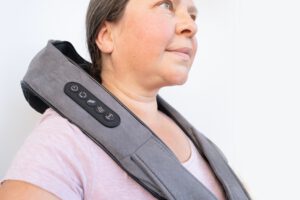
  • Heat Therapy: Apply a warm compress or heating pad to sore areas to ease muscle tension and pain. I also use a mechanical massager that sits on my neck and shoulders when I pump. 

  • Exercise and Stretching: Incorporate gentle stretching and strengthening exercises into your routine to support good posture and relieve back and neck pain.
  • Seek Professional Help: If pain persists, consider consulting a Functional Manual Therapist. We are here to help!

Final Thoughts

Breastfeeding can be challenging, but with the right self-care techniques, you can overcome common issues such as clogged ducts, chapped nipples, engorged breasts, and related neck and back pain. Remember, every mother’s experience is unique, and it’s important to listen to your body and seek professional help if needed. By addressing these issues proactively, you can create a more comfortable and enjoyable breastfeeding experience for both you and your baby.

Reach out to us at one of our IPA Physio locations if you or a loved one need support with breastfeeding or postpartum care. We’re here to help you navigate these challenges and provide the care you need during and after pregnancy.

Resources

  1. Pump B. Breastfeeding Center for Greater Washington. Breastfeeding Center for Greater Washington. Published 2014. Accessed August 28, 2024. https://www.breastfeedingcenter.org/shop-nursing-supplies/haakaa-generation-1-silicone-breast-pump-4-oz-1-pk
  2. Nipple L. Breastfeeding Center for Greater Washington. Breastfeeding Center for Greater Washington. Published 2014. Accessed August 28, 2024. https://www.breastfeedingcenter.org/shop-nursing-supplies/lansinoh-lanolin-nipple-cream
  3. Amazon.com. Amazon.com. Published 2014. Accessed August 28, 2024. https://www.amazon.com/huefull-Roller-Massage-Reducing-Puffiness/dp/B0BCQ1NY5F
  4. Amazon.com: Shiatsu Neck and Back Massager with Soothing Heat, Nekteck Electric Deep Tissue 3D Kneading Massage Pillow for Shoulder, Leg, Body Muscle Pain Relief, Home, Office, and Car Use: Health & Personal Care. Amazon.com. Published 2020. https://www.amazon.com/Nekteck-Back-Neck-Shoulder-Massager/dp/B01BZOKLOO
  5. Kelly M. MK Roots Wellness. MK Roots Wellness. Published May 5, 2018. Accessed August 28, 2024. https://www.mkrootswellness.com/blog/upper-extremity-stretches

Blog authored by Jessica Workman and Kat Wong

Breastfeeding is an important part of the fourth trimester of pregnancy (postpartum), and also provides nutritional, physiological, and structural development for newborns. This blog will focus on the benefits of breastfeeding (specifically for mothers), common breastfeeding positions, and various challenges of breastfeeding. If you’re already sold on the benefits and just need some help and tips, skip to heading Overcoming Challenges Associated with Breastfeeding.

Benefits of breastfeeding: 

Let’s get into the many benefits of breastfeeding for moms. Several studies have shown that women who breastfeed have lower disease rates including: cancer (breast, ovarian, endometrium), endometriosis, diabetes, osteoporosis, blood pressure and cardiovascular diseases, metabolic syndrome, rheumatoid arthritis, Alzheimer disease and multiple sclerosis. 

Breastfeeding also triggers a cascade of hormonal changes that benefit moms in a variety of ways. The hormone oxytocin is in continual supply during this time enabling uterine contraction. These contractions help return the organ to its normal size – reducing the risk of postpartum hemorrhage and anemia. High levels of oxytocin (the “feel good hormone”) also serve to reduce maternal discomfort during recovery, and contribute to an increased bond between a mother and her baby. Both progesterone and estrogen are suppressed during breastfeeding, while  prolactin levels increase, which serve to temporarily pause ovulation. Exclusive breastfeeding provides 96% protection against pregnancy during the first 6 months. The probability of conception reduces by 7.4% for each additional month that a mother continues breastfeeding – providing a natural spacing between pregnancies. 

The birth of a child is usually a source of happiness and pleasure for the family, however approximately 13% of all post delivery women may develop symptoms of postpartum depression within a period of 12 weeks following delivery. One study found that mothers suffering from postpartum depression also tended to have lower levels of oxytocin. It is thought that a stable level of cortisol may also reduce the risk of postpartum depression. Breastfeeding may also help regulate daytime cortisol levels. One theory holds that breastfeeding may help reduce cortisol and stress levels by decreasing circulating adrenocorticotropic hormone levels (the cortisol signaling hormone from the pituitary gland).

It is common for several challenges to arise following labor and delivery. The task of childcare can be physically demanding for a new mother whose body is recovering and changing postpartum. On top of this, performance of household activities, planning for return to work, diminished sleep due to childcare, changes in body image, reduced sexual activity, and the emotional pressures of trying to be a good mother all place stress on the individual. These all can be added to creating challenges for continued breastfeeding. Below are some tools to ease some of these challenges. 


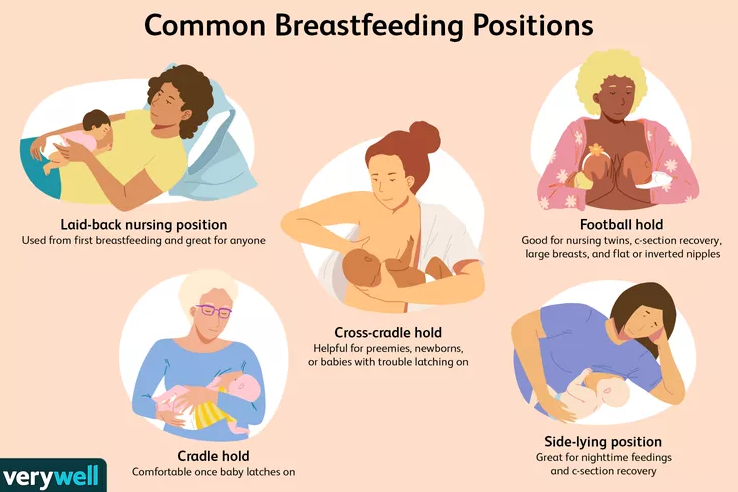
Image Resource: Donna Murray R. The 5 best breastfeeding positions for different situations. Verywell Family. July 15, 2021. Accessed July 16, 2023. https://www.verywellfamily.com/common-breastfeeding-positions-431648. 

Overcoming Challenges Associated with Breastfeeding: 

Positioning: 

Positioning during breastfeeding can be a major challenge. Let’s consider some common breastfeeding positions. Here’s a lovely image from VeryWell to visually demonstrate a variety of positions that can be comfortable for both mother and baby: 

Different mom’s find different positions to be most effective for them. Regardless of the chosen position, it is important that the mother align herself in as neutral, supported and comfortable of a position as possible while breastfeeding. Here are a few helpful tips: 

  • Bring your baby to your breast and use supports to keep them in position. Try not to lean or reach for extended periods of time. 
  • Support your arms while breastfeeding. Wrist and upper extremity pain is common during breastfeeding due to supporting the baby and facilitating a good latch. 
  • Avoid prolonged periods of time looking down. When you are looking down at your baby use your eyes as much or more than your neck. 

Pillows are an absolute necessity. Specific products such as nursing pillows can also be extremely helpful. 

To read more about each position, visit the La Leche League website where they dive deeper into specifics for each position: 

https://llli.org/breastfeeding-info/positioning/

Latching: 

Another common challenge during breastfeeding is the baby’s ability to achieve a good latch onto their mother’s nipple.

Here are some tips to help with latching:

  • Hold your breast with your thumb and index finger on the edge of the areola forming a “C” (this will help with the football hold shown above), or a “U” (this will help with the cross cradle hold shown above). Squeeze the finger and thumb toward each other to compress the breast. 
  • When putting the baby to the breast, support your baby’s head with one hand, thumb near one ear, third finger near the other ear, and with the web of your hand at the nape of your baby’s neck. 
  • Tip the head slightly backwards by lifting between your baby’s shoulder blades with the heel of your hand. 
  • With your baby’s head tilted back and chin up, lift them to touch your nipple. The nipple should rest just above the baby’s upper lip. Wait for your baby to open very wide, then “scoop” the breast by placing the lower jaw on first. 
  • Now tip your baby’s head forward and place the upper jaw well behind your nipple. Keep your thumb pressing down to form the flattened sandwich as you place your baby’s upper jaw behind the nipple. 
  • The lower jaw will be more deeply positioned than the upper jaw. Wait several seconds, then release your breast. 
  • If your baby’s nose is buried deeply in the breast, tip the head slightly so you can see your baby’s nostril while the nose still touches the breast. There is no need to continue pressing the breast with your thumb.

La Leche League also has great step by step instructions for this: https://llli.org/breastfeeding-info/positioning/

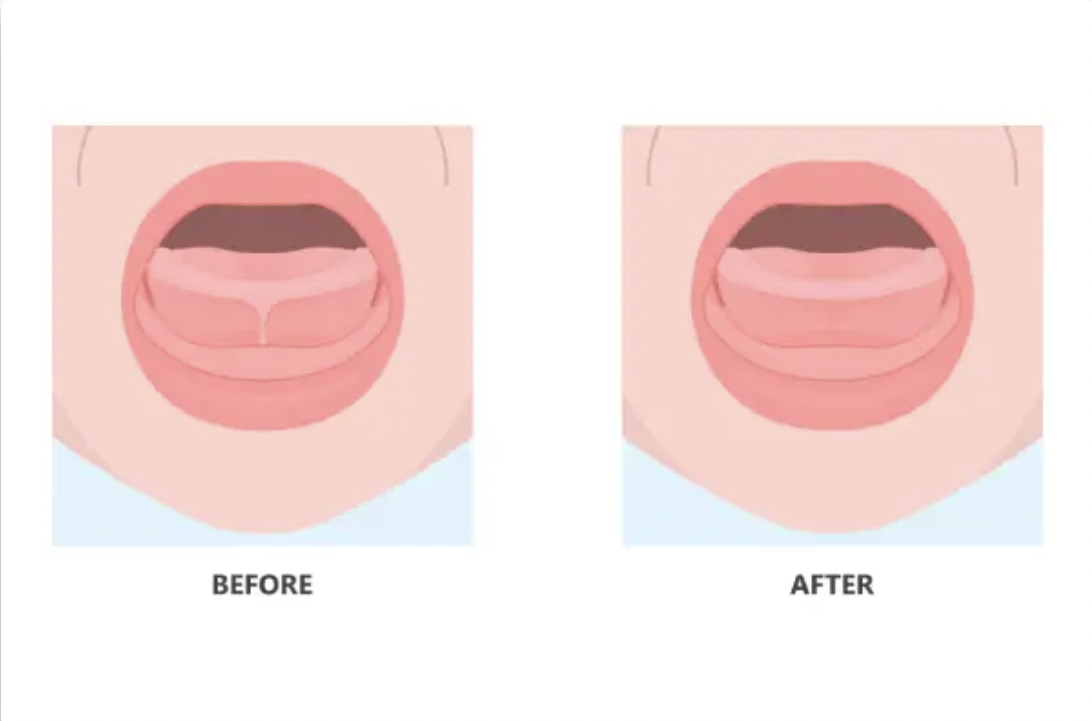
Babies may also have difficulty latching if there’s a tongue tie present. This can be challenging for the baby and also be quite painful for the mom. When a baby is not able to properly latch and move the tongue with normal movements required for breastfeeding, it creates more squeezing down on the nipple rather than suction. This can lead to very painful nipples as well as difficulty for babies to get proper amounts of milk. It is very important to seek the proper team to address a baby’s tongue tie to continue breastfeeding.


Check out this website for more information about tongue ties: 

https://llli.org/breastfeeding-info/tongue-lip-ties/

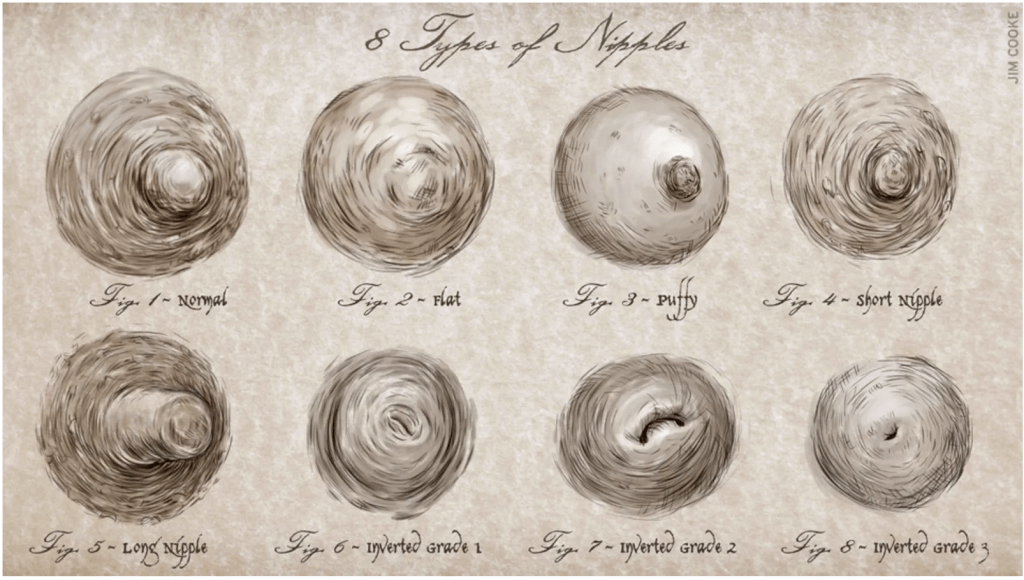
Another challenge with breastfeeding can be due to flat or inverted nipples. The occurrence of inverted and flat nipples is not uncommon. In an article by Alexander and Campbell in the journal The Breast they found inverted and flat nipples are common with an incidence of 16.3%. A large majority (90.2%) of women with varying nipples were able to exclusively breastfeed with adequate support. These presentations should not prevent breastfeeding if expert counseling and advice on proper positioning is provided. A nipple shield can also provide support in the case of flat / inverted nipples, as well as providing support and relief for cracked, bleeding nipples. 

Image resource: Oksana. Nipple shape and breastfeeding. Lactation Clinic | Breastfeeding Consultants. Published April 17, 2019. Accessed August 17, 2023. https://lactationclinic.com/articles/nipple-shape-and-breastfeeding/

Milk Production: 

Sometimes a mom’s milk expression may be affected by different aspects during labor and delivery that was out of her control. Here are some examples: 

  • Induction/ augmentation of labor through synthetic oxytocin
  • Separation 
  • Medication 
  • Intravenous (IV) fluids
  • Cesarean birth

More information can be found on each of these reasons on the La Leche Website: 

https://llli.org/bridging-birth-and-breastfeeding/

There are so many changes that happen throughout pregnancy that we may tend to forget about postpartum routines such as breastfeeding. As Functional Manual Therapists (FMTs) we are uniquely trained to collaborate with other experts to help support this process. We frequently collaborate with lactation consultants, doulas, OB/GYNs, speech and language pathologist, pediatric dentists, and other professions that play important roles in facilitating a smooth transition into motherhood! 

Functional Manual Therapists help educate moms about proper positioning while breastfeeding, and help ingrain optimal strategies for holding and carrying the new baby. We also help address back and neck pain associated with these tasks as well as the increased weight of the breasts that now are filling and expressing milk. FMTs trained in treating children and adults with tongue ties can also ensure that newborns receive the most optimal collaborative care to address their tongue ties. 

We are here to help! If you or someone you know is pregnant or recently had a baby and has questions about breastfeeding or other postpartum care, please contact us so that we can help. 

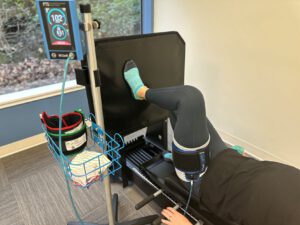
Blood Flow Restriction (BFR) is a technique that uses a medical grade tourniquet around the upper arm or upper leg to restrict blood flow while exercising. I know, this sounds highly unusual! Research has shown that by restricting the blood flow in and blocking the blood flow out of the limb, there is a significant increase in strength and muscle size that can be achieved. This is all done while using very light weights that would normally not stimulate growth in the body. This type of training has gained popularity in both the rehab setting as well as professional sports based on its safety and effectiveness. In this blog we will explore what BFR is, how it works, and how it can help you reach your goals.

What is Blood Flow Restriction?

Traditionally for muscle strength and size to occur, lifting weights greater than 70% of our 1-repetition max is required over a 12–16-week period. Individuals who are experiencing pain or following a surgery, athletes during a season, or individuals who are deconditioned due to inactivity may not be candidates for this high load training.

Blood flow restriction on the leg while performing a leg press
Example of BFR on the leg during a leg press

Blood Flow Restriction relies on a specially designed tourniquet (or cuff) that is wrapped around the upper arm or the upper leg and is pressurized which restricts blood in and out of the limb. This creates a hypoxic environment (low oxygen) for the working muscles which causes a cascade of signals to the brain leading to a significant boost in growth factors and repair substances into the body. This low oxygen environment enables the individual to build size and strength using very light weight with results equal to or better than a high intensity program (and over less time!). Research shows that with a consistent frequency of 2-3 times per week, increased size and strength of target muscles can be seen over a 6-8 week period of time.

How does BFR work?

At IPA Physio, we utilize the Personal Tourniquet System for BFR from a company called Delfi, which is the gold standard for quality and safety when it comes to Blood Flow Restriction. This unit, which is the most advanced Blood Flow Restriction machine available, utilizes a built-in doppler which enhances the safety of the patient. The doppler automatically and accurately senses the lowest pressure required to restrict the blood flow to the limb for that specific patient based on a multitude of factors including their body mass, blood pressure, hydration levels, etc. Once the minimum pressure is identified, we then take a percentage of that pressure for the patient to exercise with based on the body part. The reduced blood flow to the working muscles causes less oxygen to reach the muscles.

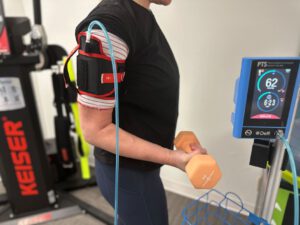
Blood flow restriction on the arm while performing a bicep curl
Example of BFR on the arm during a bicep curl

This creates an “anaerobic” working environment which recruits “fast twitch” muscles, while using a weight that has been determined to be “light to easy”. Lactic acid and other metabolites are released from the working muscles (this is the burn sensation you feel when exercising) due to the low oxygen environment and are trapped in the limb by the cuff. The lactic acid and metabolite accumulation (the burn!) signals the brain to release LOTS of growth factors (such as growth hormone, CRITICAL for collagen synthesis which is the process of growing new connective tissue) in anticipation of muscle damage. The growth hormone also initiates the process of muscle repair and growth through a chain of events, activating muscle stem cells and insulin like growth factors (IGF).

However, since the weight is too light to cause damage to the muscles, the muscle doesn’t break down as it would during traditional high intensity weight lifting. The result is a SIGNIFICANT increase in muscle size and strength, a significant boost in muscle protein synthesis, rapid repair of tendons, bone and ligaments, and less damage to our joints.

AMAZING!

Who benefits from BFR?

Blood Flow Restriction training will benefit a wide range of individuals from post-surgical, geriatric, weekend warriors, to professional athletes. People who are recovering from an injury or recovering from surgery will find they can build strength and repair injuries using light weight without aggravating their injury. They will also find that they can protect their muscles from becoming weaker if they have loading or weight bearing restrictions based on their surgeons’ guidelines. BFR is just as effective for people who are not experiencing pain as well! Individuals who just want to get stronger or professional athletes who need to maintain or build strength without overtraining will notice huge gains in their performance and progress while using BFR.

Benefits of BFR at IPA Physio

BFR has been shown to have several benefits, including:

  1. Faster recovery: BFR has been shown to accelerate muscle growth and repair, leading to faster recovery after an injury or surgery.
  2. Reduced muscle atrophy: BFR has been shown to reduce muscle atrophy, which is the loss of muscle mass that can occur after an injury or surgery.
  3. Improved strength: BFR has been shown to improve strength and muscle size, which can be particularly beneficial for people who have undergone surgery or suffered an injury that limits their mobility or activity levels.
  4. Improved tissue health: BFR has been shown to improve the health and durability of tendons and connective tissue, which is beneficial for people who have experienced an injury or following surgery.

Conclusion

Blood Flow Restriction is a highly effective technique that has gained popularity in recent years, particularly in rehab settings and professional athletics. By restricting blood flow to the muscles during exercise, BFR creates a hypoxic environment that stimulates muscle growth and improved muscle function. BFR has been shown to have several benefits in rehab and sports performance, including faster recovery, reduced muscle atrophy, improved strength, reduced pain, and improved tissue health. If you are considering BFR as part of your rehab or training, be sure to work with a qualified healthcare professional who can guide you through the process and ensure your safety.

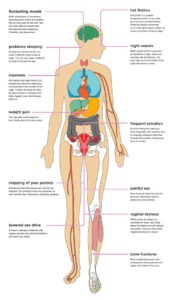
Menopause is something we hear a lot about, but do we actually know and understand the changes that are happening in the female body during this time period?  Menopause is defined as a 12 month period where women experience no bleeding.  The average age of menopause is 51 years old.  Prior to that, women can experience all kinds of symptoms for up to 7-8 years before finally arriving at menopause.  This period leading up to menopause is called perimenopause.  


Common symptoms present during perimenopause and menopause include:

  • Hot flashes
  • Mood alterations
  • Night sweats
  • Sleep disturbances
  • Weight gain (usually in the abdomen)
  • Brain fog
  • Low libido
  • Vulvo vaginal atrophy / Genitourinary syndrome of menopause
  • Irregular periods of length and timing 
  • Changes in hair and skin

Image from Healthline


The average age for peri-menopause is 47.5 years old.  Currently, the average life expectancy for women is 81 years of age which means some women are spending half their lives experiencing these symptoms! Although rare, menopause can occur prematurely in about 5% of women between the ages of 40 and 45 and 1% before age 40. It can also occur after surgery to remove the uterus (hysterectomy) and / or ovaries (oophorectomy). 


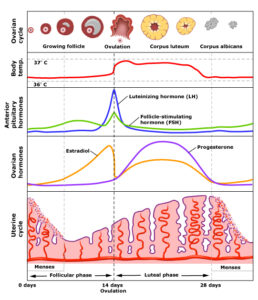
To better understand why changes occur during perimenopause and menopause, let’s first talk about what happens during menstruation.


The endocrine system in the body is made up of glands that talk to each other to release hormones. The hypothalamus signals to the pituitary gland to release FSH (follicle stimulating hormone). FSH then stimulates the ovaries to produce follicles which contain an immature egg. FSH also stimulates the uterus to start increasing blood supply and endometrial lining.  As the follicles mature, there is a surge of estrogen. The rising estrogen levels then stimulate another hormone to be released called LH (luteinizing hormone). LH then stimulates ovulation to occur.  After ovulation, there is a surge of progesterone.  If sperm is present, a woman may become pregnant.  If not, the egg and endometrial tissue is shed and menses starts.


One of the first hormonal changes to occur during perimenopause is a decrease in inhibin levels. The ovaries make inhibin which tells the pituitary gland to make less FSH. During perimenopause and menopause, inhibin levels decrease which causes FSH levels to increase and a consequential decline of estrogen. Menstruation becomes irregular as a result of fluctuations in FSH and estrogen levels. Progesterone levels also decrease. The drop in estrogen levels is what causes the symptoms of perimenopause and menopause. 


A pelvic health physical therapist can help women with a number of the symptoms of perimenopause and menopause.


  • Vulvo vaginal atrophy / Genitourinary syndrome of menopause – This can include vulvar and vaginal dryness and itching, pain with intercourse, burning / soreness, pelvic floor tightness, feelings of recurrent UTI’s with negative culture, or recurrent UTI’s. Oftentimes the urethra may appear open or gaping which puts individuals at higher risk for UTI’s. Pain with initial penetration during intercourse may also occur due to dryness.


  • Prolapse – Prolapse is when one of the pelvic organs descends down towards the vaginal opening. It can worsen in menopause due to the decrease in estrogen. As this occurs, there’s less bulk to the vaginal tissue allowing for greater ease of organs to descend through the vaginal walls. Working with a team of health care providers can be beneficial for the decrease in progression and management of prolapse.


  • Incontinence – Stress urinary incontinence is when leakage of urine occurs with an increase in intra-abdominal pressure (laughing, sneezing, coughing, jumping). This can also occur or worsen in menopause as there’s less closure of the urethra.


  • Hot flashes and night sweats – Ovary function is important to hormone balance particularly estrogen and progesterone. Ovaries can get bound down by fascial or soft tissue restrictions which can limit their ability to fully function. Visceral (organ) mobilization especially to the ovaries improves mobility of this organ and thus in its ability to function well.


Typical treatment for these diagnoses include medications and living with it. This doesn’t have to be the case! Pelvic health physical therapy and the Functional Manual Therapy approach can help improve blood flow to the pelvis through manual therapy to adjacent organs, veins and arteries, joints, and soft tissue. Visceral (organ) mobilization improves mobility and functionality of the pelvic organs which in turn can help with some menopausal symptoms like hot flashes and night sweats. Functional Manual Therapy addresses postural dysfunction and improves initiation, strength, endurance, and motor control of core muscles including the pelvic floor. This will help with better management of pressure systems of the body. 


If you or a loved one struggles with perimenopausal / menopausal symptoms, know that you are not alone. We’re here to help. If you are experiencing the aforementioned symptoms and want to reduce your symptoms, contact us today for an evaluation and treatment.

How do you view the process of aging? And why is this important to think about?

A 2014 study looked at the effects of implicit age-related stereotypes on physical function in 100 adults aged 61-99. Implicit positive stereotypes included descriptive words such as “spry,” that were judged to be typically related to increasing age.

Those who were exposed to these positive stereotypes showed a significant improvement in physical function (including: strength, balance, and gait speed) compared with a control group exposed to neutral stereotypes.


Another 2014 study found that negative self-beliefs predicted decreased self-esteem and a corresponding increase in BMI among 108 Hispanic men and women between the ages of 18-57. It seems our beliefs/biases, expectations, and resulting behaviors are not only related but vitally important to health outcomes.

Our culture in the United States expects certain phenomena to happen at different periods across the lifespan. These expectations are subtly played out in the form of societal pressure, which can influence the way we think about ourselves as individuals. Ironically, this pressure usually surfaces in the form of well-intended compliments. It also appears in everyday conversations that can reveal underlying implicit biases.


To explain, let’s analyze several common phrases and clichés.


“You look good for your age”

This statement implies that we’re supposed to look a certain way at different ages. More specifically, it seems to assert that we should expect to look “not good” as we age. Hence, the usual accompanying tone of surprise. Due to this being a normal societal “compliment,” we often glance over the slight to age contained within. A real compliment would be: “you look good.” As we will see, many phrases like this have become second nature for us within conversation. These can have a profound impact on how we and those around us think about aging. 


“Age is just a number”

This is true! Measurement of time is a human construct. Measurements of time are essential for communication purposes. Years allow us to organize our time on this earth. Years allow for a frame of reference when talking to others about past events, helping us contextualize reflection on the past and plan for the future. Years are also the primary unit used to organize the idea of age. But who determined that a year is 365 days? The ancient Egyptians, in 4236 BC, based the calendar on lunar cycles and the annual flooding of the Nile River. Why did they define a year this way? To contextualize their cultural growth. The concept of a year was originally a measurement of how we travel through space rather than a measurement of cellular maturity. But yet, we base our thoughts regarding wellbeing to this measurement. Can you see the incongruence here?


“It’s normal to retire before 70”

When people reach their 60’s, our culture starts hinting that “they should start thinking about retirement,” and that “retiring around age 65 is the normal thing to do.” In most cases, when we tell people that it is normal to retire at 65, we are shaping their beliefs about how long they should expect to live. One factor that people take into consideration (whether consciously or not) when thinking about when to retire is life expectancy. If one saves enough money to last 20-25 years while not earning an income, and then proceeds to retire, they have effectively told themselves that they can expect to live 20-25 years after retirement. What kind of negative health effects do you think this kind of thinking can have on the body? 


“I feel younger than I am”

While this might at first seem to be a positive thing to say, look closer. The implication of this saying is: “I actually should feel older, but instead I feel younger.” Who’s to say we should feel a certain way at different ages? What if the feeling of being 80 is supposed to feel similar to being 20? Just because many people are sick, broken down, and have one or more diseases at age 80 does not mean it has to be this way for all. It’s not age that determines how well we feel, it’s lifestyle choices. A different but equally damaging phrase is the ever-prevalent: “you’re making me feel old.” Age does not determine physical health and well-being. It may correlate, but it is not causative. Additionally, a new debate has sprung up over whether chronological age or biological age is more viable as a means of quantifying one’s legal age.

Important side note: It is true that the human body does not recover as quickly with increasing age. However, I would argue that it is not so much the increased age that increases time required for recovery, but diminished overall health and fitness level secondary to lifestyle factors. Even in the healthiest individuals, DNA changes over time will lead to increased recovery time, but these changes can be mitigated by variables within our control.


“60 is the new 40”

As with most statements in this post, the intentions here are good. Regardless, we can’t let this one slide. The baby boomer generation has challenged the notion that aging needs to be a certain way, continuing to spend money on health and fitness into their 6th, 7th, and 8th decades of life. This may have led to the increased usage of this phrase and people are starting to feel just as good at higher ages as they did when younger. The flawed reasoning bias here is this: “It naturally feels better to be 40 years old as compared with 60 years old.” When one feels good at 60 years old, some say this is the new 40 because in their minds the person feels better than they should – or feels like a 40 year old. However, as we’ve previously questioned, who determined this rule of age feeling a certain way? Let’s let 60 be 60; it doesn’t need to be the new 40.


“I’m getting too old for ________”

Aside from childhood developmental stages, age does not determine ability to perform a physical activity. You are not too old to do something, but you may feel “too old.” I’ll refer back to two points already made here. One: that feeling of being “too old” is moreso due to overall health and lifestyle choices rather than increasing age. And two: there is no certain way we’re supposed to feel at any age. Further, who’s to say at what point “too old” occurs? Telling ourselves and others that there comes a point where one is too old for x, y, or z creates a negative feedback loop which can turn this thought into reality.

The 2014 Gallup-Healthways Wellbeing Index surveyed 85,145 people between the ages of 18-75. Participants were paired into age-range groups and asked whether or not they were thriving in different categories including: social, physical, financial, and community.  Results of the survey showed that for each category, a consistently higher percentage of adults 65+ reported “thriving” than did those much younger. Is it possible that things could get better with age instead of worse?


Now, ‘where do we go from here?’ you may ask. Are people just perpetually supposed to feel the same way throughout their lifespan? Should 30 year olds be pitted against 80 year olds in adult sporting competitions? Not quite. The main points of this post are: 


  1. The process of aging doesn’t necessitate a corresponding decrease in health or wellbeing
  2. The phrases we speak regarding age reflect our beliefs, influence others’ beliefs, and affect the aging process itself. 


I will leave you with this quote to think on: 


“We don’t stop playing because we get old. We get old because we stop playing” 

– George Bernard Shaw


For more cutting edge thoughts and science regarding aging, check out Lifespan by David Sinclair. What are your thoughts about aging? We’d love to hear from you in the comments below!

What is Hypermobility Syndrome?

Hypermobility is a description given to joint movement outside of its normal range. Connective tissue is a scaffolding that supports the body and consists of tendons, ligaments, and fascia. Hypermobility Syndrome (HMS) is a group of disorders which involve connective tissue in multiple joints throughout the body. This includes joint hypermobility syndrome, hypermobility spectrum disorder, and Ehlers Danlos Syndrome. There exists a group of signs and symptoms that guide diagnosis of this syndrome. The prevalence is difficult to determine due to under diagnosis. In Wales and the UK, one paper found a prevalence of 194.2 per 100 000 in 2016/2017 or roughly 10 cases in a medical practice of 5000 patients. 

People with HMS usually do have more perceived flexibility which can be used to their advantage for certain activities and sports such as dance, jiu jitsu and gymnastics. Oftentimes this ‘flexibility’ is actually extra motion in the connective tissue of the joints rather than a lengthening of muscles and fascia. This creates higher risk of injury due to poor distribution of forces through the biomechanical structure. More on this later.

People with HMS can experience pain, fatigue, frequent injuries such as dislocations, subluxations, sprains, and microtraumas. They also may appear to be clumsy due to decreased proprioception (this is the body’s sense of its location in space.) Underlying issues of the bladder, bowel, and pelvic floor may be present, as well as impact on the autonomic nervous system (this is the nervous system that runs in the background and helps with bodily regulation) potentially causing fainting or dizziness.

People with hypermobility often have chronic daily pain due to extra abnormal movement within a joint causing microtrauma, wear and tear and inflammation. Injuries can result from frequent, repeated use of muscles, tendons, ligaments, joints, and bones which would not normally bother someone without HMS. Repetitive microtrauma may present as pain due to small tears within the connective tissue of the muscles as well as sprained ligaments, strained muscles, and overstretched tendons. Over time inflammation and microtrauma lead to degenerative type changes also known as arthritis.

Stiffness can, and very often does kick in as we age. Hypermobile adults may not exhibit the same hypermobility they did in their youth. They still fall under the hypermobile spectrum and now present with years of wear and tear experienced as pain and stiffness.

Another component that may lead to pain is the loss of proprioception. Receptors within joints, tendons, and fascia, rely on position and movement to give the body its sense of where it is in space. This information is critical, as the body and brain coordinate movement to obtain a desired position. Often this information does not match up well and persons with HMS are mistaken for being clumsy.


What is best: Stretch, Strengthen, or Stabilize? 

The answer is all of the above, however, stabilization will benefit the body more thoroughly for functional activities. One of the backbone treatment techniques used in Functional Manual Therapy that works marvelously for people with HMS is Proprioceptive Neuromuscular Facilitation (PNF.) PNF is the most efficient way to tap into the body’s natural stabilization system of tonic muscle fibers. Research suggests most people in general do well with consistent physical activity. This cannot be more true for those with HMS. Inactivity often triggers symptoms, therefore a regimen of physical therapy is indicated to guide a person back to regular exercise. This is especially true for anyone who wants to participate in sports. An active lifestyle can stave off much of the complaints of hypermobility due to the stabilization required to complete the skills required in sport. It is smart to train specifically for any activity and having a physical therapist who understands your specific needs is key. 

How to pick a Physical Therapist who will work well with hypermobility needs?  

Any physical therapist is well versed in the ‘normal’ ranges of joint mobility. A Physical Therapist should not be, however, preoccupied with the severity of your hypermobility. It is important your PT learn the history of your body and any possible diagnosis. Your functional activities, including any sport skills, will need to be viewed from a number of angles to assess movement strategies. This will allow your therapist to guide you through obtaining efficiency; reducing compensations which may be potential for injury. Part of caring for your body is learning the difference between muscle discomfort due to training and pain due to microtrauma. The term “no pain no gain” does not apply when you have HMS. Pushing past your point of pain or to joint fatigue can create injury. The primary emphasis of physical therapy should be on stabilization and improving motor control. Exercises should be performed in a way that does not over-work any one area, while also emphasizing appropriate body mechanics and movement habits. Progression of exercises need to be slower than standard protocols to allow strength, coordination and mobility changes to occur gradually without injury.


In summary, if you suspect you are a person with hypermobility, having an evaluation by a knowledgeable Physical Therapist is a great starting point in helping you understand your condition and how to manage daily aches and pains. Your PT will also help you navigate activity goals that will keep you mobile, as well as any sport skills and performance goals with less risk of injury and pain. It is not uncommon, in fact to your benefit, to have a Physical Therapist that works with you regularly any time you need help to get through a pain flare up or a small injury which will occur.  

For more information on hypermobility disorders please reference below. They were great resources for this blog.

Simmonds, J.V., Masterclass: Hypermobility and hypermobility related disorders, Musculoskeletal Science and Practice, http://doi.org/10.1016/j.msksp.2021.102465

https://www.hypermobility.org

Joanne C Demmler, Mark D Atkinson, Emma J Reinhold, Ernest Choy, Ronan A Lyons, Sinead T Brophy Diagnosed prevalence of Ehlers-Danlos syndrome and hypermobility spectrum disorder in Wales, UK: a national electronic cohort study and case–control comparison. BMJ Open. 2019; 9(11): e031365. Published online 2019 Nov 4. doi: 10.1136/bmjopen-2019-031365

[vc_row][vc_column][vc_column_text]I’m excited for Dec 21st. It’s the winter solstice, and it’s just 5 days away. That means the days will start to get longer! Here in the Pacific Northwest, winter hits me hard; the rain and the shorter days have a significant impact on my overall well being, and my mental health as a result. This seasonality of feeling  down is often called the winter blues, or clinically diagnosed as Seasonal Affective Disorder (SAD).

Characteristics of SAD are: sadness, anxiety, fatigue, difficulty concentrating, loss of interest in usual hobbies or activities, and sleeping more. 

It has taken a while to learn how to manage this yearly change with the help of my doctors and naturopaths, and honestly it still sneaks up on me even with how much I know. Here are a few things I have learned to manage the winter blues. 

(Please consult your primary care physician if you suffer from these symptoms, support goes a long way in managing SAD or any mental health condition)


Vitamin D

Get your levels tested. The journal Nutrition Research states that about 42% of U.S. adults are deficient in this nutrient . Vitamin D can be found in a variety of foods such as oatmeal, mushrooms, tuna, salmon, and milk. According to Yale Medicine, Vitamin D is manufactured in the skin when exposed to sunlight. Hence why shorter days in the northern latitudes this time of year results in more individuals impacted by this deficiency, oh and it’s cold so all our skin is covered up! Supplementation is often the recommendation for this deficiency. Vitamin D helps in calcium absorption, immune function, regulating neuromuscular system, and healthy cell cycles.


Go outside

This is one of the most powerful pieces to the puzzle! Yes, it’s raining here in Oregon, but a raincoat and a waterproof pair of shoes make all the difference. Getting your heart rate up and being outside during daylight hours helps to regulate your circadian rhythm, which tells your body when it should sleep.


Without sun exposure, our bodies naturally have a circadian rhythm around 24 hrs 20+/- min (combined sleep and wake cycles), that means if you are not regularly exposed to bright light (the sun), that cycle can shift up to 1-2 hrs in a week, and 5-6 hrs in a month.  As a result, this change to your biological clock can also impact your mood and hormones. One such hormone is Serotonin, which increases with sunlight exposure. This hormone helps with mood stabilization, and communication between nerve cells, to name just a few functions.

Life application

Exposure to sunlight is most impactful in the mornings when there is light to enhance optic flow to increase alertness through special photoreceptors in the eyes that relay subconscious light intensity to the brain (See Huberman Lab podcast). If regular daily sun exposure is not possible, taking 1 hr each weekend in the AM hrs can help to reset the shift that naturally happens throughout the week. But what about rainy days? Even on rainy days, the sun exposure through the clouds is higher than most of us assume; instead of 15 min on a sunny day, perhaps 30-45 min would be the required time outside on rainy or dreary days. 


Happy lamps or Light therapy boxes

These 10,000+ lumen light boxes/lamps help to convince your brain into thinking the sun is up and shining on those days when getting outside isn’t possible, or for individuals who work night and swing shifts. The intensity mimics the sun and regulates circadian rhythms (see above paragraph). It is typically recommended to use within 30 minutes of waking for 15-30+ min and no less than 2 hrs before bed time to regulate your circadian rhythms, which improves sleep quality, and hormone regulation. An individual needs to be facing the light, but please don’t look directly at it.

Which to choose

There are a variety of choices for these lamps, from table top, floor, or even portable travel options. It all depends on your needs. I have two, one that sits on my breakfast table, and one for travel which I intend to bring to work with me for days like today, when it’s dreary and dark.  Brands- When I got my Happy lamp years ago, there were not as many options and Carex was one of the few that was easily accessible via Amazon. Since purchasing my first light, I also looked into Circadian Optics travel light for use at work.  The key is to find a lamp that is 10,000 lumens, a unit of light measurement; after that you can prioritize how compact, or maybe how aesthetically pleasing it is. (see The Depression Cure, for more information on happy lamp use)


5-HTP

It’s a precursor and building block to Serotonin, that awesome hormone that functions as a mood stabilizer and increases with sun exposure. A study in 2016 by Jacobsen et al, suggests that slow release 5-HTP is an effective adjunct in treatment of depression. Remember, more is not always better, low doses can have a significant impact. Many prescription anti-depressants work by increasing extracellular 5-HT (which studies show can be elevated by 5-HTP  as well, Jacobsen 2016).

As with any supplement, please consult with your primary care physician first, especially if you are on any antidepressants or prescription medications


Find a new Hobby

I always try something new each winter, this year it’s weaving and maybe cross country skiing. It helps my brain to work with bright, stimulating colors, and to make something beautiful.  Many of us naturally did something like this when stuck at home due to Covid restrictions and battling feelings of sadness and anxiety;  some took up yoga,  made sourdough bread, learned to crochet, or speak a new language.

Science supports the importance of hobbies

A new skill engages the brain and creates new neural pathways. Studies have shown that doing hobbies and activities we enjoy releases neurotransmitters, like dopamine, an important chemical that helps us feel pleasure and joy. No matter how small, hobbies provide us with the opportunity to feel a sense of accomplishment. As a result the brain releases neurotransmitters that stimulate positive pathways. In fact, some physicians are now prescribing people to try a new hobby that is not health or fitness related, purely for the joy and burst of dopamine it provides as a way to combat mild to moderate depression.   (See The Science behind Hobbies)


Photobiomodulation
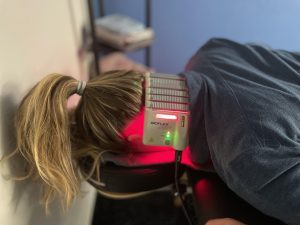
It’s a big word, but studies of depression and low level light therapy which is a combination of red and infrared light, shows significant promise with being a successful treatment to combat many forms of depression. Schiffer et al. in 2009 found that after one treatment to the right forehead, there was a statistically significant reduction in patients HAM-D score even 2 weeks after their first and only treatment. (HAM-D is a clinician administered depression scale.)

While treatment to the forehead results in measurable changes in depression in this study, studies have shown occipital penetration of photobiomodulation is >11%, compared to ~2% for frontal bone (Jagdeo et al. 2012).  The research is not as comprehensive surrounding transcranial photobiomodulation, however a handful of studies demonstrate significant promise with stroke, TBI, dementia, parkinsons, depression, and cognitive enhancement.

This is an exciting time to be looking into non-pharmaceutical ways to improve SAD and chronic depression. (Attend our upcoming Photobiomodulation Webinar to learn more about all ways it can improve your life, put on by Ian McVay PTA: IPA Physio Portland in January 2022)


Closing thoughts on Getting Started

There is no quick fix or one solution to the winter blues, as with most things in life it is a complex interaction within the body, which will require a multifaceted approach to improve SAD symptoms. Rather than one large change, perhaps pick a few small areas to work on to see the best long term results. Drink your morning coffee in front of a happy lamp, sign up for a zoom course on a new hobby you are interested in, take a walk  or go outside for 15 min at lunch, and overall just be creative with how you integrate new habits into your life. 

Good luck! Maybe we will pass each other on the trails in Forest Park this winter, pausing in the sunlight to increase optic flow, alertness, and serotonin. 

 

Sources:

Forrest, K. Y. Z. , Stuhldreher, W.  (2010). Prevalence and correlates of vitamin D deficiency in US adults. Nutrition Research, Volume 31, Issue 1, January 2011, Pages 48-54

Huberman, A. (Host). (2021, Oct 25). Timing Light, Food, & Exercise for Better Sleep, Energy & Mood (No. 43). [Audio Podcast Episode]. In Huberman Lab. https://hubermanlab.com/dr-samer-hattar-timing-light-food-exercise-for-better-sleep-energy-mood/

Hamblin, M. R. (2016). Shining light on the head: Photobiomodulation for brain disorders. BBA clinical, 6, 113–124. https://doi.org/10.1016/j.bbacli.2016.09.002

 Ilardi, S., 2019. The Depression Cure: The 6-step program to beat depression without drugs. [Place of publication not identified]: VERMILION.

Jagdeo, J. R., Adams, L. E., Brody, N. I., & Siegel, D. M. (2012). Transcranial red and near infrared light transmission in a cadaveric model. PloS one, 7(10), e47460. https://doi.org/10.1371/journal.pone.0047460

McCabe, C. (2021, February 14). The science behind why hobbies can improve our mental health. Neuroscience News. Retrieved December 8, 2021, from https://neurosciencenews.com/hobby-mental-health-17765/. 

Moriarty, C. (2018). Vitamin D Myths “D”-bunked. Yale Medicine, https://www.yalemedicine.org/news/vitamin-d-myths-debunked

Schiffer, F., Johnston, A. L., Ravichandran, C., Polcari, A., Teicher, M. H., Webb, R. H., & Hamblin, M. R. (2009). Psychological benefits 2 and 4 weeks after a single treatment with near infrared light to the forehead: a pilot study of 10 patients with major depression and anxiety. Behavioral and brain functions : BBF, 5, 46. https://doi.org/10.1186/1744-9081-5-46[/vc_column_text][/vc_column][/vc_row]

Bowel movements. It’s something we can all relate to so I want to give you a quick and dirty run down of all things constipation.  Most people suffer from constipation at some point in their life. This could be seasonal, when we travel, or on a daily basis.  In the US, there’s an average of 2.5 million MD visits per year for constipation.  That’s a lot of visits!  

So how do you know if you’re constipated?  Per Rome IV Criteria (the criteria used to diagnose constipation, Irritable Bowel Syndrome, as well as other GI tract issues), constipation is defined as having a bowel movement less than 3 times per week.  Normal is considered anywhere from 3 times per day to 3 times per week.  Although the criteria includes 3 times per week as the upper limit of normal, we believe that having at least one bowel movement per day is most optimal for the body. Having less than one bowel movement per day can have negative effects on your body including back and hip pain, abdominal and pelvic discomfort, cramping, bloating, uncontrollable gas, headaches, as well as increased stress on the GI tract. Chronic constipation can also result in hemorrhoids, anal fissures, rectal prolapse, and rectal bleeding if straining occurs during bowel movements.

The criteria states constipation must include at least two or more of the following: straining, lumpy or hard stools, sensation of incomplete evacuation, sensation of anorectal obstruction, and use of digital evacuation.  With constipation, stools are typically hard, potentially small in size, and can be quite difficult to pass.  When we experience constipation, we may also encounter bloating, passing gas, or abdominal pain.


Here are some potential causes of constipation:

Poor diet — Be sure to check that fiber intake! Aim for 25-30g of fiber each day. Think pears, avocados, strawberries, oats, lentils, chickpeas, kidney beans, almonds, chia seeds, kale, spinach, etc.
 

Decreased water intake — Try adding in an extra cup of water every day for a week. If you normally drink five glasses of water a day, increase that to six glasses of water a day for the full week. Increase an additional cup of water daily each week until you find the amount of water that works for you to have more regular bowel movements.


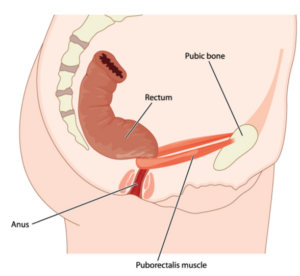
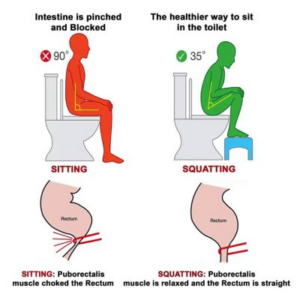
Poor anorectal angle — When sitting upright, this creates a 90 degree angle of the trunk and upper legs. This particular position pulls on the puborectalis muscle and increases the angle of the rectum making it more difficult for stool to pass. By bringing the trunk forward and knees slightly higher, the puborectalis muscle becomes relaxed and the anorectal angle decreases which allows for a more direct and straight pathway for stool to travel.  The Squatty Potty, as silly as it may sound, does help with bowel movements as it decreases the anorectal angle by bringing the knees above the hips which allows the puborectalis muscle to relax. Other ways of achieving this decrease in anorectal angle include lifting your heels up while leaning forward with forearms resting on the legs to improve the anorectal angle. Be mindful of toilet height as well. With a higher toilet seat, having something like a small step to bring the knees higher can be beneficial.


Abdominal hypoactivity & Diaphragmatic breathing — Diaphragmatic breathing is essential to keeping normal motility (capability to move, in this case, through the digestive tract). Oftentimes, people hold their abdominals tight and breath with their chest. This causes the diaphragm (which is part of the abdominal muscles) to become weaker as it’s not being utilized appropriately. This holding pattern can also lead to GI issues as tightness in the abdomen doesn’t allow the organs space to expand and relax as they need to move contents through your digestive tract. During bowel movements, diaphragmatic breathing and abdominal muscle activity are important to help move stool through the rectum and decrease risk of straining. Try taking a deep breath to expand your belly (diaphragmatic breath). While exhaling, harden your abdominal muscles as if someone were going to punch you in the gut.  Continue with this cycle while trying to defecate.  This encourages abdominal muscles to contract and help with motility of stool. 


Muscle hyperactivity of the rectal pelvic floor muscles — These muscles need to relax, especially your puborectalis, to allow for a smooth pathway for stool to pass. Taking deep, diaphragmatic breaths as well as engaging in proper toilet posture can help relax this muscle. If the puborectalis muscle is in spasm, internal soft tissue work performed by a pelvic health physical therapist may be warranted. 


Paradoxical pelvic floor — Some people tighten their pelvic floor muscles during bowel movements without realizing it. Pelvic floor muscles and the internal and external anal sphincters should all be relaxing so stool can pass through the anal canal. Practice bearing down as if trying to have a bowel movement. The external anal sphincter typically contracts when trying to hold in gas. If it feels like the external anal sphincter is squeezing shut, it means these muscles are contracting instead of relaxing.  If so, it means that there is a contraction of the muscles occurring rather than a relaxation.


Remember, medications can also cause constipation! — Opioids-narcotic pain medications, Calcium-channel blockers (high blood pressure medication), and antidepressants are all medications that may be contributing to your lack of consistent bowel movements. If you are constipated and on medications, it might be worth doing some quick research to see if a documented side effect is constipation.


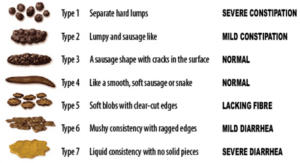
The Bristol Stool Scale is a great way to monitor what your stool looks like.  As you can see, you want your stool looking like Type 3 and 4!

If you notice your stool is hard, try adding more water into your diet. This is a quick way to help improve ease of bowel movements without relying on medication. As mentioned earlier, taking small steps such as adding in another 8 ounces of water throughout the day for a week is an attainable way of increasing liquid intake. Continue adding an extra 8 ounces each week until you’ve reached the amount of water it takes to have easier bowel movements.  If your stool is wet and loose, FiberCon and Citrucel can help add bulk.  Psyllium Husk is another bulking agent that comes from plants.  Appropriate water and food (specifically fiber) intake are the most ideal and sustainable for regular bowel movements.

Creating a routine for bowel movements is helpful for motility especially if there’s a tendency to feel constipated.  A simple routine can include:

  • Waking in the morning and having a warm beverage (coffee, hot tea, or warm water) to help push things along through the system. Coffee (because of the caffeine) as well as Smooth Move tea are great stimulators for motility in the colon.
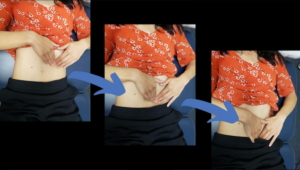
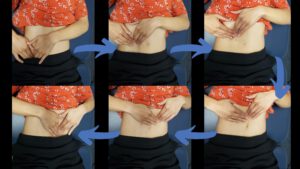
  • A colon massage can also be helpful to aid with colon transit time. The colon looks like an upside down U on your abdomen. Start on the left side of your abdomen underneath the rib cage and use gentle strokes in a downward motion. 


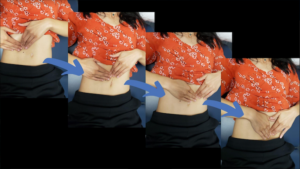
Move to the right side of the abdomen under the rib cage and move across the abdomen towards the left side and then down towards the left side of the pelvis.


Move to the bottom right of the abdomen and use gentle strokes up towards the right under side of the rib cage, across towards the left under side of the rib cage, and then down towards the left side of the pelvis.


Perform for 2-3 minutes.


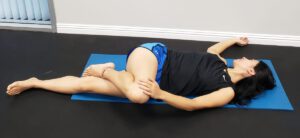
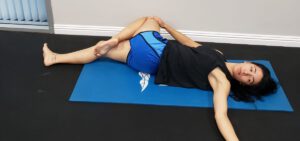
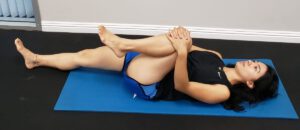
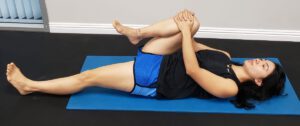
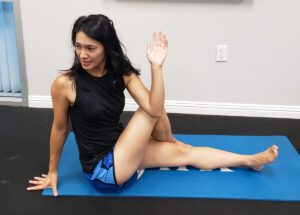
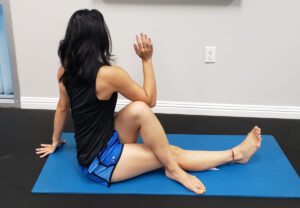
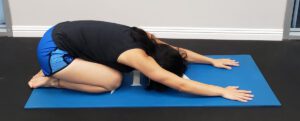
  • Gentle stretching such as the following can help stimulate movement throughout the colon:
  • Supine Spinal Twist:


  • Single Knee to Chest:


  • Seated Spinal Twist:


  • Child’s Pose:

  • Try holding each position for 1-2 minutes while focusing on diaphragmatic breathing.


  • Once you have the urge to have a bowel movement, go and don’t try to suppress it. If it doesn’t feel like the stool is going to come out, don’t sit on the toilet for longer than 5 minutes. People tend to strain and this can cause other issues including hemorrhoids, anal fissures, prolapse, and other pelvic floor muscle issues. Get up from the toilet and try out some of the stretches listed above, walk around the house, or massage your colon to aid in the movement of the stool.

And there you have it!  Remember, pelvic health physical therapy can help with constipation.  Besides providing some of the information listed above, a pelvic health physical therapist can help clue in on specific reasons why an individual is experiencing constipation whether it’s pelvic floor dysfunction or slowed colon transit time.  Pooping is oh so important and if this is an area causing discomfort in your life, know that you are not alone and there are ways to improve this! For further questions, be sure to reach out to us at IPA Physio.


Bristol stool scale. (2021, January 02)

Rome IV Diagnostic Criteria for Constipation. (n.d.)