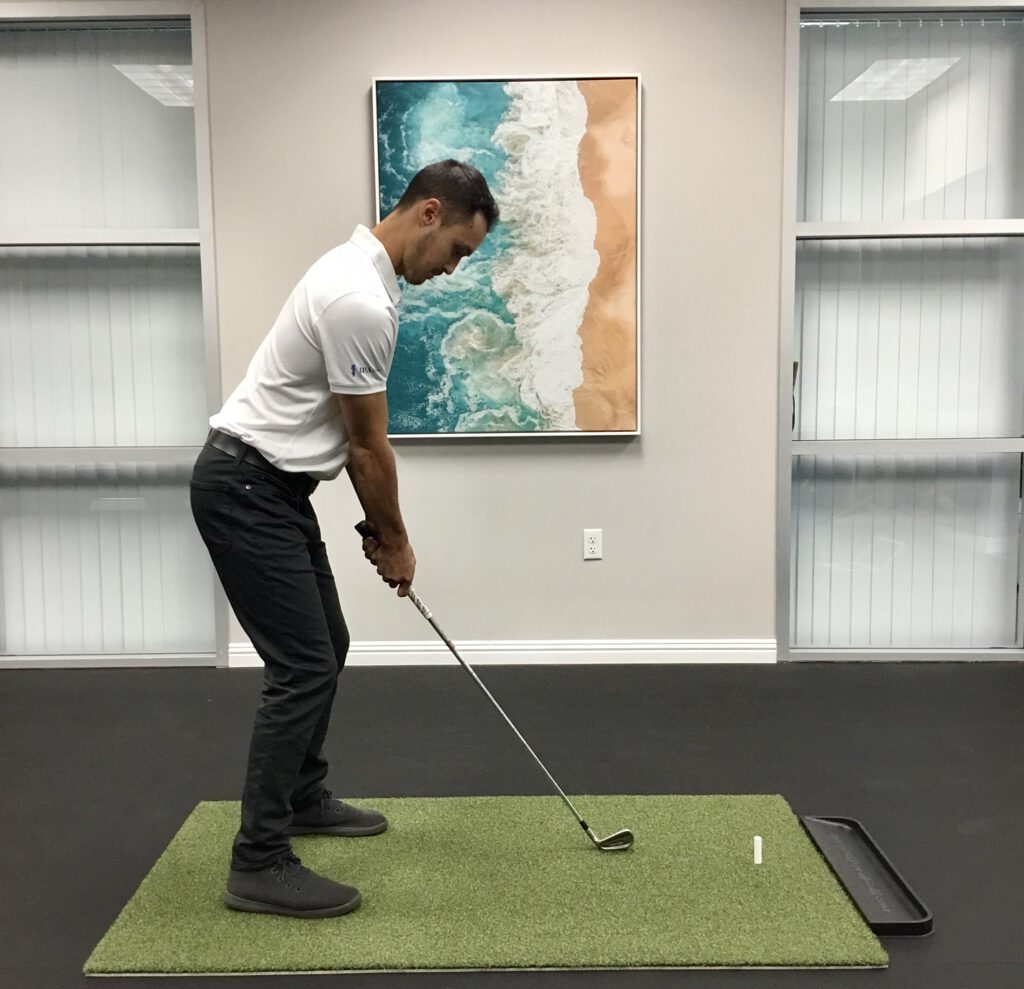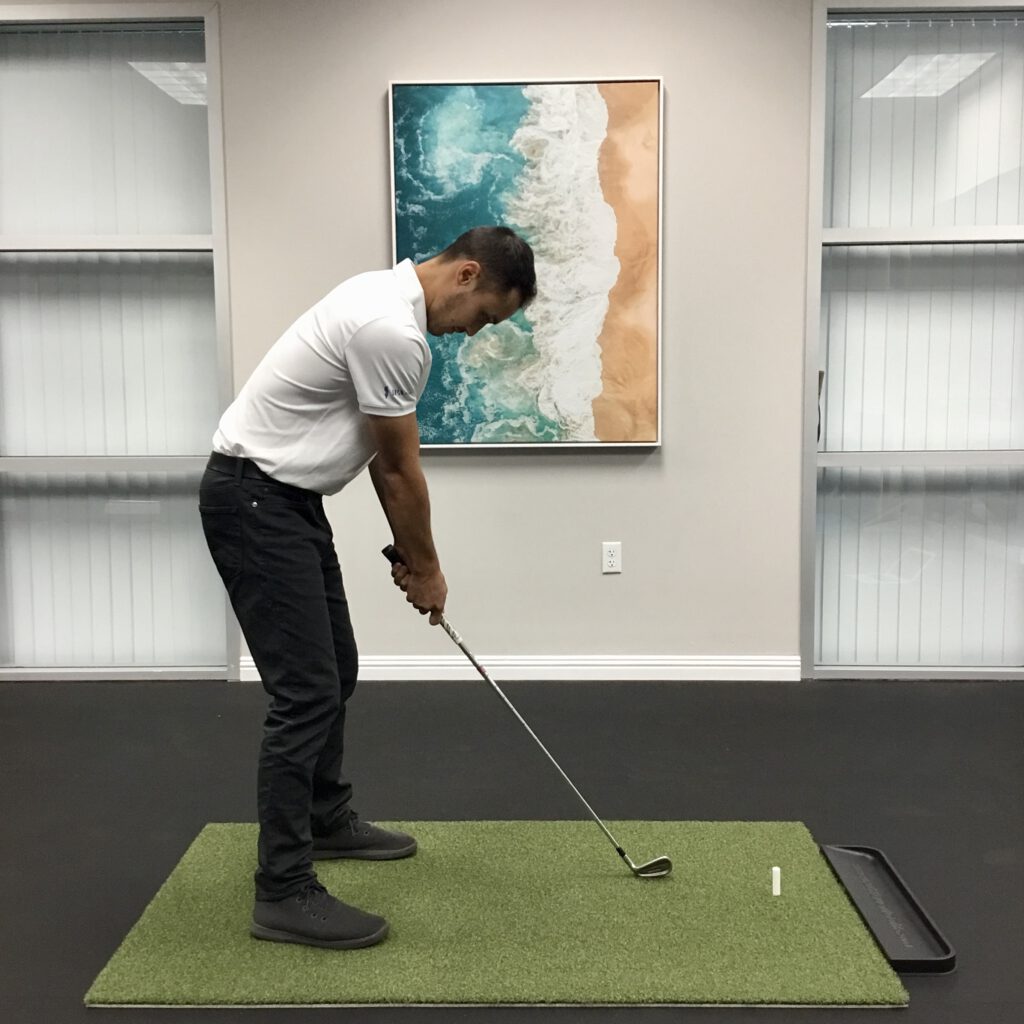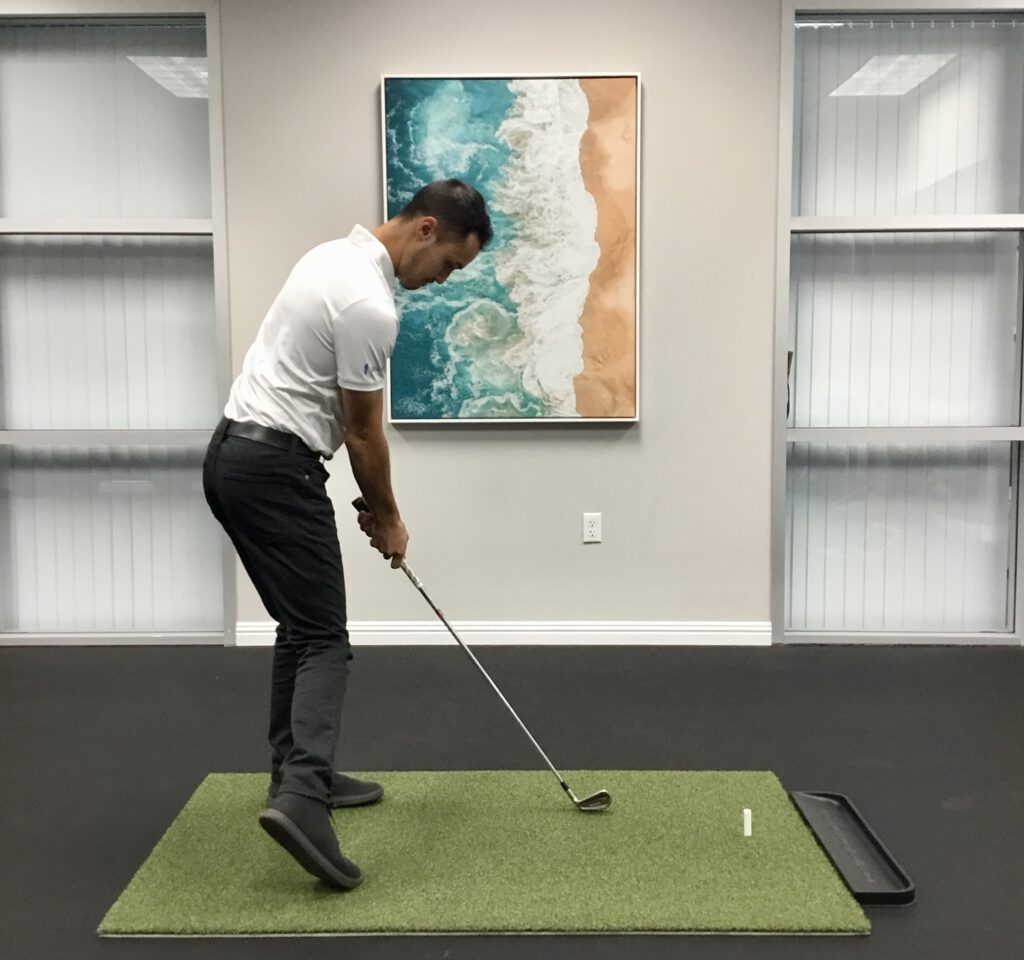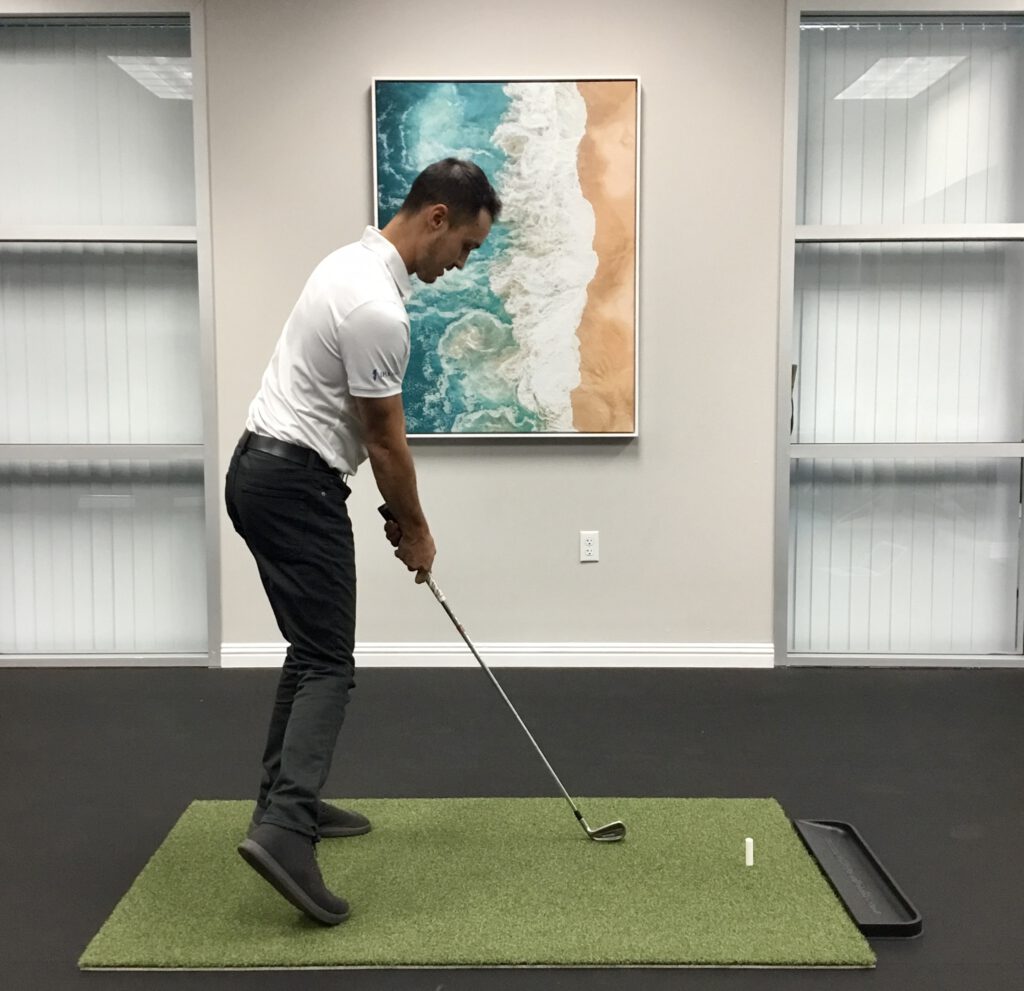
The Isometric Advantage

The Isometric Advantage

Most of the time when people strength train they are focused on how much weight they should lift and how many sets and repetitions they should perform. While this impacts training adaptations related to strength, endurance, and power, I challenge you to think of one other variable – how long you should hold a position on tension. When your muscles are contracting to maintain a position without movement, this is called an isometric contraction. Here are 3 reasons why you should add isometrics to your training regimen:

Isometric exercises are under utilized

Isometric exercises, maintained contractions without movement, are under-rated and under-utilized in most training programs. When we hold a contraction for an extended period of time our brain sends signals to the working muscles to recruit more and more motor units. Motor units are composed of a motor nerve and all of the muscle fibers it innervates. When you squat, you do not fire all of the motor units in your quads, glutes, hamstrings, etc during every repetition. Your body is smart and moderates how many units are needed based on load, and varies this slightly with each repetition to help avoid fatigue and maximize strength output. Isometric exercises help us access a greater number of motor units through a process called summation. This, in turn, will enhance the variability of our muscle recruitment and allow us to access a greater degree of our inherent strength. Pain and injury will negatively impact motor unit recruitment and the primary means of reinstating optimal motor unit recruitment is progressive isometric training. 
Own the position     

Isometric exercises allow us to fully ‘own the position’ and therefore ‘own the movement ’. When you hold a bodyweight squat position for 30 seconds you have time to evaluate and feel your form / technique. Is your weight distributed equally between big toe / little toe / and heel (foot tripod)? Are your quads and glutes doing the majority of the work? Is your back and core stabilizing but not straining? Are your shoulders and neck position in line with your spine? It is more challenging to be aware of all of these variables when performing repetitions, and therefore there is significant value in performing isometric exercises, particularly for rehabilitation and learning proper technique. Once you have performed holds to ‘own the position’ you can transition to slow, controlled repetitions, trusting that your mechanics are spot on.

Decrease pain

Isometric exercises will help decrease pain associated with tendon dysfunction. If you are suffering from tendinitis or tendinopathy you need to incorporate isometric holds into your rehab program. When using isometric exercises for tendon pain, start in the middle of a range (not end range) and hold the position for 30-60 seconds. Perform 3-5 repetitions. You can do this every day and progress the range and duration as you become more comfortable.

Ready to start? Try these foundational exercises to enhance upper and lower body strength: 

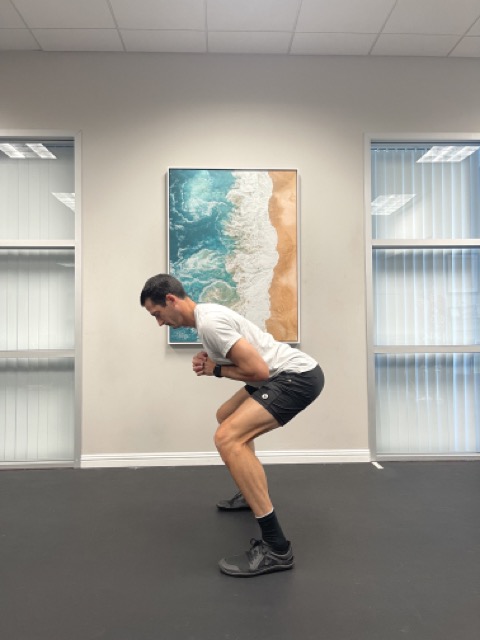
  • Isometric bodyweight squat – Drop down into a squat position. Make sure your back is straight. Feel the weight in the middle of your feet – equal between big toe, little toe, and heel. Engage your legs in an exaggerated way (like you are trying to push the floor down an inch), so that your back can stay relaxed. Hold this position for 30 seconds to 1 minute.

Ready to start? Try these foundational exercises to enhance upper and lower body strength: 

  • Isometric bodyweight squat – Drop down into a squat position. Make sure your back is straight. Feel the weight in the middle of your feet – equal between big toe, little toe, and heel. Engage your legs in an exaggerated way (like you are trying to push the floor down an inch), so that your back can stay relaxed. Hold this position for 30 seconds to 1 minute.

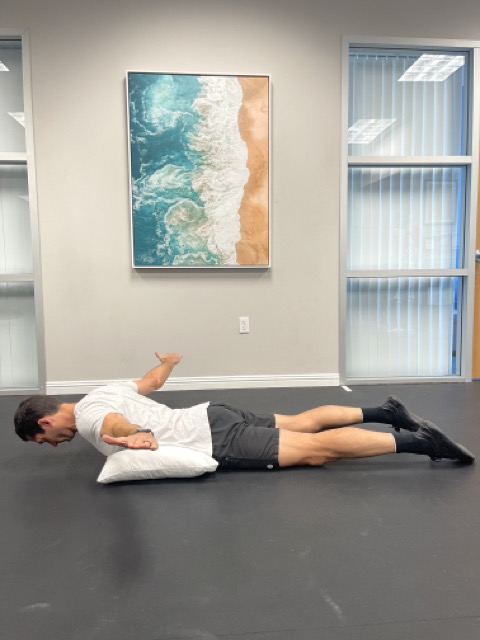
  • Isometric scapula ‘T’ stabilization – lie on your stomach, supporting your low back with a pillow, and your head and neck with a towel. Lift your arms out to the side, pinching your shoulder blades together. Keep your elbows locked out. Don’t shrug your shoulders up towards your ears. Hold this position for 30 seconds to 1 minute.
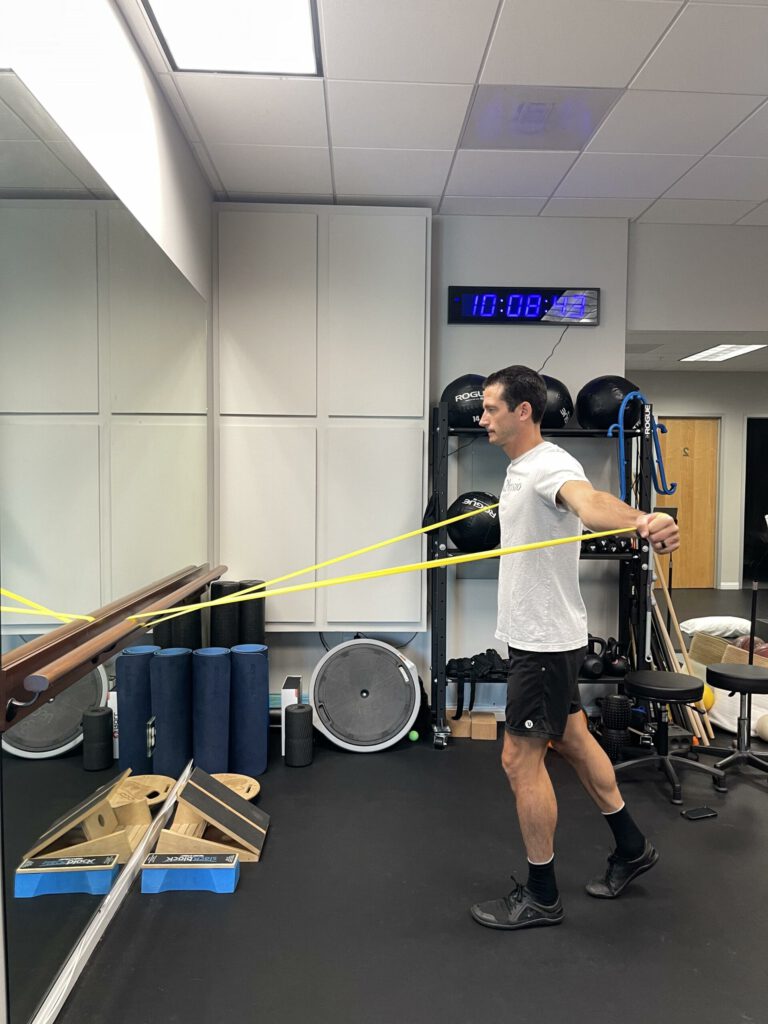
If you’re ready to incorporate isometric holds into your routine or need guidance on how to safely implement them, please contact your local IPA Physio location for expert advice and personalized support. We’re here to help you achieve your fitness and rehabilitation goals!

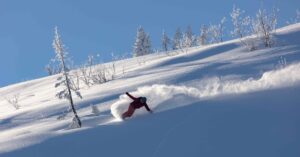
If you are a skier or snowboarder, this is your season. Every year around Thanksgiving the stoke kicks in and you probably tell yourself, ‘I need to get in shape for ski/snowboard season.’ Ideally, you would start a sport-specific training program about 6-8 weeks prior to hitting the mountain. However, assuming you have a good metabolic and strength base, I recommend at least 2-3 weeks of sport-specific training to prepare your body for the demands of the sport. 

Your sport-specific preparatory program needs to address the following variables:

  1. Cardiovascular demands
  2. Mobility demands
  3. Stability / strength / endurance demands
  4. Environmental demands

Cardiovascular Demands

Skiing and snowboarding require the body to switch between aerobic and anaerobic metabolism. Essentially, you should have a good aerobic base and also have the ability to tolerate quick, short bursts of high energy output. What’s the best way to train for this?

  • Common aerobic training methods include jogging, elliptical, biking, and swimming. Start with a distance / time that feels easy and progressively increase that distance / time over the course of each workout, taking 1 day off in between cardio workouts. A general guideline would be to increase your total distance / time by 10-20% each week.
  • Common anaerobic training methods include higher intensity, shorter duration versions of the aforementioned aerobic methods. For example, instead of a light jog, sprint  for 30 seconds or less. Then rest about 1.5-2 minutes, and repeat. (the work to rest ratio for higher intensity workouts should be at least 1:3). A general guideline is to perform anaerobic training 2-3x / week for about 20 minutes per session. You can do these intervals on a bike, or in a pool, or using stairs, or in combination with strength / endurance training via high intensity interval training (HIIT).

Mobility Demands

The mobility demands of skiing and snowboarding are different, so I will give general principles here. And I’m not only referring to flexibility, but rather the ability to control your movement in all planes of motion. We move in three planes of motion:

  1. Sagittal plane – straight forward / back
  2. Frontal plane – side to side
  3. Transverse plane – rotational

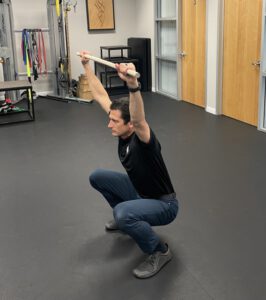
One good quick test of mobility for the sagittal plane is the overhead squat popularized by the Functional Movement Screen (FMS).

If you are able to perform this test hitting the following criteria, then you likely have sufficient mobility in the sagittal plane of motion:

  1. Upper trunk parallel with lower leg or toward vertical
  2. Hips below horizontal
  3. Knees aligned over feet
  4. Dowel / bar aligned over feet

If you are unable to meet the above criteria, you would benefit from spending time working on your ability to achieve this position. I recommend starting by either using a support or spending more time under tension at a depth that you can achieve (take 10 seconds to achieve the depth, hold for 10 seconds, then slowly come out of the position). Do this 10x every day.

When It comes to the frontal and transverse planes of motion the most important joints to address are the hip joints. To keep it simple, you should move your hips in every direction, every day, period! It is far better to perform 5-10 minutes of mobility work every day than to spend 1 hour one or two days per week. For an example of a short, daily hip mobility routine, click here.

Stability / Strength / Endurance Demands

The strength demands of skiing and snowboarding are also different, primarily as it relates to single-leg vs double-leg stability and strength. However, in general, a sport-specific training program for both should include aspects of the following:

  • Balance
  • Core strength and endurance
  • Multi-directional upper and lower body strength and endurance
  • Double leg and single-leg
  • Elasticity training (plyometric training)

HERE is an example of a good preparatory program designed specifically to prepare you for ski and snowboard season. This workout is focused on body weight only, though once you are able to perform without added load, adding load slowly will greatly enhance the benefits.

To further challenge your core, click here

Environmental demands

The primary issue at hand here is altitude. Once you are at altitude the basic rules apply:

  1. Drink lots of water
  2. Avoid or minimize alcohol
  3. Eat small snacks and meals

However, in preparation for altitude, you can do two things to help mitigate any challenges:

  1. Increase your aerobic and anaerobic capacity as much as possible (see above)
  2. Deep breathing techniques, such as those popularized by Wim Hof, may help increase your adaptation to altitude – Try this

Remember, ideally you would start addressing this sport-specific preparatory program 6-8 weeks prior to your first day on the slopes. But, it’s never too late! And even better, keep it going throughout the year so that you can be ready whenever the snow comes calling.


Blood Flow Restriction (BFR) is a technique that uses a medical grade tourniquet around the upper arm or upper leg to restrict blood flow while exercising. I know, this sounds highly unusual! Research has shown that by restricting the blood flow in and blocking the blood flow out of the limb, there is a significant increase in strength and muscle size that can be achieved. This is all done while using very light weights that would normally not stimulate growth in the body. This type of training has gained popularity in both the rehab setting as well as professional sports based on its safety and effectiveness. In this blog we will explore what BFR is, how it works, and how it can help you reach your goals.

What is Blood Flow Restriction?

Traditionally for muscle strength and size to occur, lifting weights greater than 70% of our 1-repetition max is required over a 12–16-week period. Individuals who are experiencing pain or following a surgery, athletes during a season, or individuals who are deconditioned due to inactivity may not be candidates for this high load training.

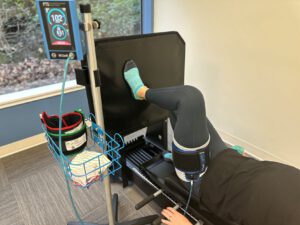
Blood flow restriction on the leg while performing a leg press
Example of BFR on the leg during a leg press

Blood Flow Restriction relies on a specially designed tourniquet (or cuff) that is wrapped around the upper arm or the upper leg and is pressurized which restricts blood in and out of the limb. This creates a hypoxic environment (low oxygen) for the working muscles which causes a cascade of signals to the brain leading to a significant boost in growth factors and repair substances into the body. This low oxygen environment enables the individual to build size and strength using very light weight with results equal to or better than a high intensity program (and over less time!). Research shows that with a consistent frequency of 2-3 times per week, increased size and strength of target muscles can be seen over a 6-8 week period of time.

How does BFR work?

At IPA Physio, we utilize the Personal Tourniquet System for BFR from a company called Delfi, which is the gold standard for quality and safety when it comes to Blood Flow Restriction. This unit, which is the most advanced Blood Flow Restriction machine available, utilizes a built-in doppler which enhances the safety of the patient. The doppler automatically and accurately senses the lowest pressure required to restrict the blood flow to the limb for that specific patient based on a multitude of factors including their body mass, blood pressure, hydration levels, etc. Once the minimum pressure is identified, we then take a percentage of that pressure for the patient to exercise with based on the body part. The reduced blood flow to the working muscles causes less oxygen to reach the muscles.

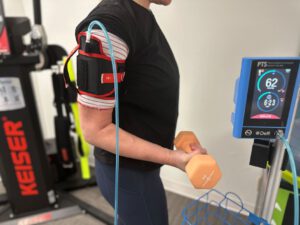
Blood flow restriction on the arm while performing a bicep curl
Example of BFR on the arm during a bicep curl

This creates an “anaerobic” working environment which recruits “fast twitch” muscles, while using a weight that has been determined to be “light to easy”. Lactic acid and other metabolites are released from the working muscles (this is the burn sensation you feel when exercising) due to the low oxygen environment and are trapped in the limb by the cuff. The lactic acid and metabolite accumulation (the burn!) signals the brain to release LOTS of growth factors (such as growth hormone, CRITICAL for collagen synthesis which is the process of growing new connective tissue) in anticipation of muscle damage. The growth hormone also initiates the process of muscle repair and growth through a chain of events, activating muscle stem cells and insulin like growth factors (IGF).

However, since the weight is too light to cause damage to the muscles, the muscle doesn’t break down as it would during traditional high intensity weight lifting. The result is a SIGNIFICANT increase in muscle size and strength, a significant boost in muscle protein synthesis, rapid repair of tendons, bone and ligaments, and less damage to our joints.

AMAZING!

Who benefits from BFR?

Blood Flow Restriction training will benefit a wide range of individuals from post-surgical, geriatric, weekend warriors, to professional athletes. People who are recovering from an injury or recovering from surgery will find they can build strength and repair injuries using light weight without aggravating their injury. They will also find that they can protect their muscles from becoming weaker if they have loading or weight bearing restrictions based on their surgeons’ guidelines. BFR is just as effective for people who are not experiencing pain as well! Individuals who just want to get stronger or professional athletes who need to maintain or build strength without overtraining will notice huge gains in their performance and progress while using BFR.

Benefits of BFR at IPA Physio

BFR has been shown to have several benefits, including:

  1. Faster recovery: BFR has been shown to accelerate muscle growth and repair, leading to faster recovery after an injury or surgery.
  2. Reduced muscle atrophy: BFR has been shown to reduce muscle atrophy, which is the loss of muscle mass that can occur after an injury or surgery.
  3. Improved strength: BFR has been shown to improve strength and muscle size, which can be particularly beneficial for people who have undergone surgery or suffered an injury that limits their mobility or activity levels.
  4. Improved tissue health: BFR has been shown to improve the health and durability of tendons and connective tissue, which is beneficial for people who have experienced an injury or following surgery.

Conclusion

Blood Flow Restriction is a highly effective technique that has gained popularity in recent years, particularly in rehab settings and professional athletics. By restricting blood flow to the muscles during exercise, BFR creates a hypoxic environment that stimulates muscle growth and improved muscle function. BFR has been shown to have several benefits in rehab and sports performance, including faster recovery, reduced muscle atrophy, improved strength, reduced pain, and improved tissue health. If you are considering BFR as part of your rehab or training, be sure to work with a qualified healthcare professional who can guide you through the process and ensure your safety.

How do you view the process of aging? And why is this important to think about?

A 2014 study looked at the effects of implicit age-related stereotypes on physical function in 100 adults aged 61-99. Implicit positive stereotypes included descriptive words such as “spry,” that were judged to be typically related to increasing age.

Those who were exposed to these positive stereotypes showed a significant improvement in physical function (including: strength, balance, and gait speed) compared with a control group exposed to neutral stereotypes.


Another 2014 study found that negative self-beliefs predicted decreased self-esteem and a corresponding increase in BMI among 108 Hispanic men and women between the ages of 18-57. It seems our beliefs/biases, expectations, and resulting behaviors are not only related but vitally important to health outcomes.

Our culture in the United States expects certain phenomena to happen at different periods across the lifespan. These expectations are subtly played out in the form of societal pressure, which can influence the way we think about ourselves as individuals. Ironically, this pressure usually surfaces in the form of well-intended compliments. It also appears in everyday conversations that can reveal underlying implicit biases.


To explain, let’s analyze several common phrases and clichés.


“You look good for your age”

This statement implies that we’re supposed to look a certain way at different ages. More specifically, it seems to assert that we should expect to look “not good” as we age. Hence, the usual accompanying tone of surprise. Due to this being a normal societal “compliment,” we often glance over the slight to age contained within. A real compliment would be: “you look good.” As we will see, many phrases like this have become second nature for us within conversation. These can have a profound impact on how we and those around us think about aging. 


“Age is just a number”

This is true! Measurement of time is a human construct. Measurements of time are essential for communication purposes. Years allow us to organize our time on this earth. Years allow for a frame of reference when talking to others about past events, helping us contextualize reflection on the past and plan for the future. Years are also the primary unit used to organize the idea of age. But who determined that a year is 365 days? The ancient Egyptians, in 4236 BC, based the calendar on lunar cycles and the annual flooding of the Nile River. Why did they define a year this way? To contextualize their cultural growth. The concept of a year was originally a measurement of how we travel through space rather than a measurement of cellular maturity. But yet, we base our thoughts regarding wellbeing to this measurement. Can you see the incongruence here?


“It’s normal to retire before 70”

When people reach their 60’s, our culture starts hinting that “they should start thinking about retirement,” and that “retiring around age 65 is the normal thing to do.” In most cases, when we tell people that it is normal to retire at 65, we are shaping their beliefs about how long they should expect to live. One factor that people take into consideration (whether consciously or not) when thinking about when to retire is life expectancy. If one saves enough money to last 20-25 years while not earning an income, and then proceeds to retire, they have effectively told themselves that they can expect to live 20-25 years after retirement. What kind of negative health effects do you think this kind of thinking can have on the body? 


“I feel younger than I am”

While this might at first seem to be a positive thing to say, look closer. The implication of this saying is: “I actually should feel older, but instead I feel younger.” Who’s to say we should feel a certain way at different ages? What if the feeling of being 80 is supposed to feel similar to being 20? Just because many people are sick, broken down, and have one or more diseases at age 80 does not mean it has to be this way for all. It’s not age that determines how well we feel, it’s lifestyle choices. A different but equally damaging phrase is the ever-prevalent: “you’re making me feel old.” Age does not determine physical health and well-being. It may correlate, but it is not causative. Additionally, a new debate has sprung up over whether chronological age or biological age is more viable as a means of quantifying one’s legal age.

Important side note: It is true that the human body does not recover as quickly with increasing age. However, I would argue that it is not so much the increased age that increases time required for recovery, but diminished overall health and fitness level secondary to lifestyle factors. Even in the healthiest individuals, DNA changes over time will lead to increased recovery time, but these changes can be mitigated by variables within our control.


“60 is the new 40”

As with most statements in this post, the intentions here are good. Regardless, we can’t let this one slide. The baby boomer generation has challenged the notion that aging needs to be a certain way, continuing to spend money on health and fitness into their 6th, 7th, and 8th decades of life. This may have led to the increased usage of this phrase and people are starting to feel just as good at higher ages as they did when younger. The flawed reasoning bias here is this: “It naturally feels better to be 40 years old as compared with 60 years old.” When one feels good at 60 years old, some say this is the new 40 because in their minds the person feels better than they should – or feels like a 40 year old. However, as we’ve previously questioned, who determined this rule of age feeling a certain way? Let’s let 60 be 60; it doesn’t need to be the new 40.


“I’m getting too old for ________”

Aside from childhood developmental stages, age does not determine ability to perform a physical activity. You are not too old to do something, but you may feel “too old.” I’ll refer back to two points already made here. One: that feeling of being “too old” is moreso due to overall health and lifestyle choices rather than increasing age. And two: there is no certain way we’re supposed to feel at any age. Further, who’s to say at what point “too old” occurs? Telling ourselves and others that there comes a point where one is too old for x, y, or z creates a negative feedback loop which can turn this thought into reality.

The 2014 Gallup-Healthways Wellbeing Index surveyed 85,145 people between the ages of 18-75. Participants were paired into age-range groups and asked whether or not they were thriving in different categories including: social, physical, financial, and community.  Results of the survey showed that for each category, a consistently higher percentage of adults 65+ reported “thriving” than did those much younger. Is it possible that things could get better with age instead of worse?


Now, ‘where do we go from here?’ you may ask. Are people just perpetually supposed to feel the same way throughout their lifespan? Should 30 year olds be pitted against 80 year olds in adult sporting competitions? Not quite. The main points of this post are: 


  1. The process of aging doesn’t necessitate a corresponding decrease in health or wellbeing
  2. The phrases we speak regarding age reflect our beliefs, influence others’ beliefs, and affect the aging process itself. 


I will leave you with this quote to think on: 


“We don’t stop playing because we get old. We get old because we stop playing” 

– George Bernard Shaw


For more cutting edge thoughts and science regarding aging, check out Lifespan by David Sinclair. What are your thoughts about aging? We’d love to hear from you in the comments below!

Welcome back to our series on the core where it is our intention to increase your understanding of its anatomy, function and role in your rehabilitation.  In our previous post, Our Core The Functional Pressure System, we discussed one of the primary functions of the core, which is to create and regulate intra abdominal pressure.  The presence and regulation of intra abdominal pressure reinforces our skeletal structure much like that of how carbonation pressure inside a can reinforces the relatively weak aluminum frame.  

Because we are humans and not cans, we have to consider that our spine, which is made up of 24 individual bones and designed to move, requires additional support outside of relying on intra abdominal pressure alone.  Our spinal column serves to protect our nervous system and is an attachment site for the muscles, ligaments, nerves, guts and fascia, it stores kinetic energy and it helps transfer the loads of the body into our base of support.  To function effectively, the spinal column needs to be both stiff and flexible at the same time.  This dynamic dance of stiffness and flexibility is orchestrated by the brain’s incredible ability to control a symphony of muscles around the spine. 

In this post we would like to:

  • Discuss how the local muscles around the spinal column function in creating spinal stabilization
  • Define efficient neuromuscular function
  • Discuss how injury/postural choices impact muscular function (for additional information regarding posture, check out our blog Get Over Yourself)
  • Provide several exercises to help start the process of integrating these muscles back into our function

Let’s take a look at some of the smaller muscles around the spinal column that do not create intra abdominal pressure, but work with the pressure to enhance spinal segmental stabilization.  

The Multifidus and Transverse Spinalis Muscles 

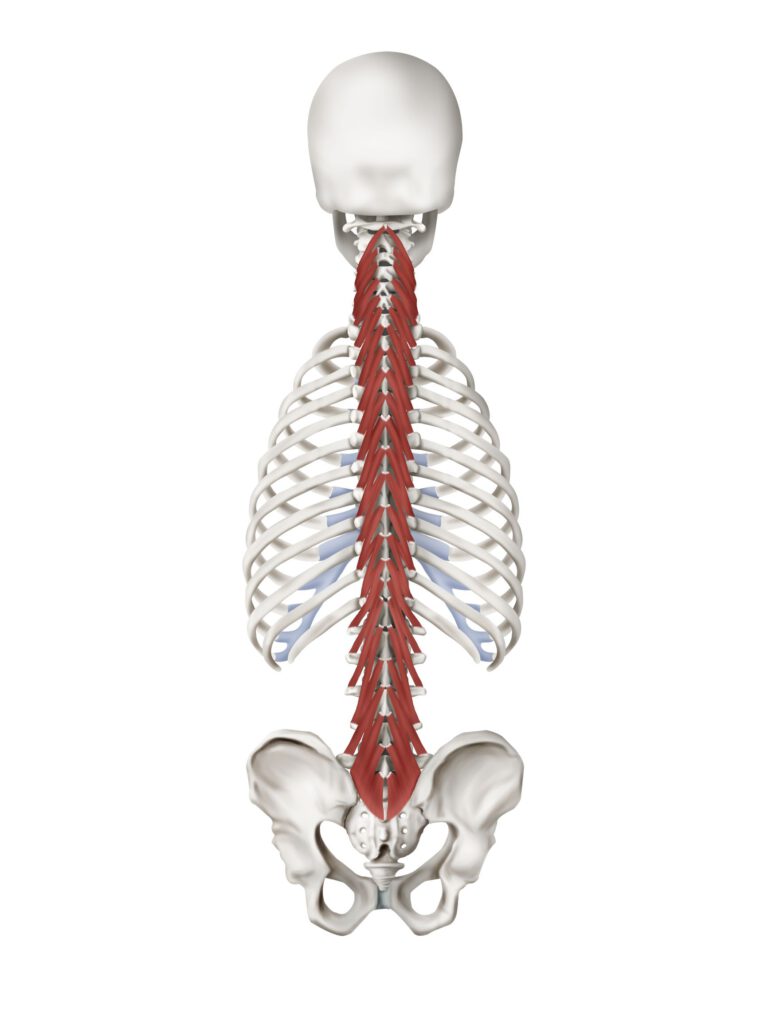
The multifidus and spinal rotator muscles span the whole length of the vertebral column but is most developed in the lumbar area. These muscles form a complex of short, local muscle struts that when working together form the local core stabilizers on back and sides of the spine.

The Psoas 

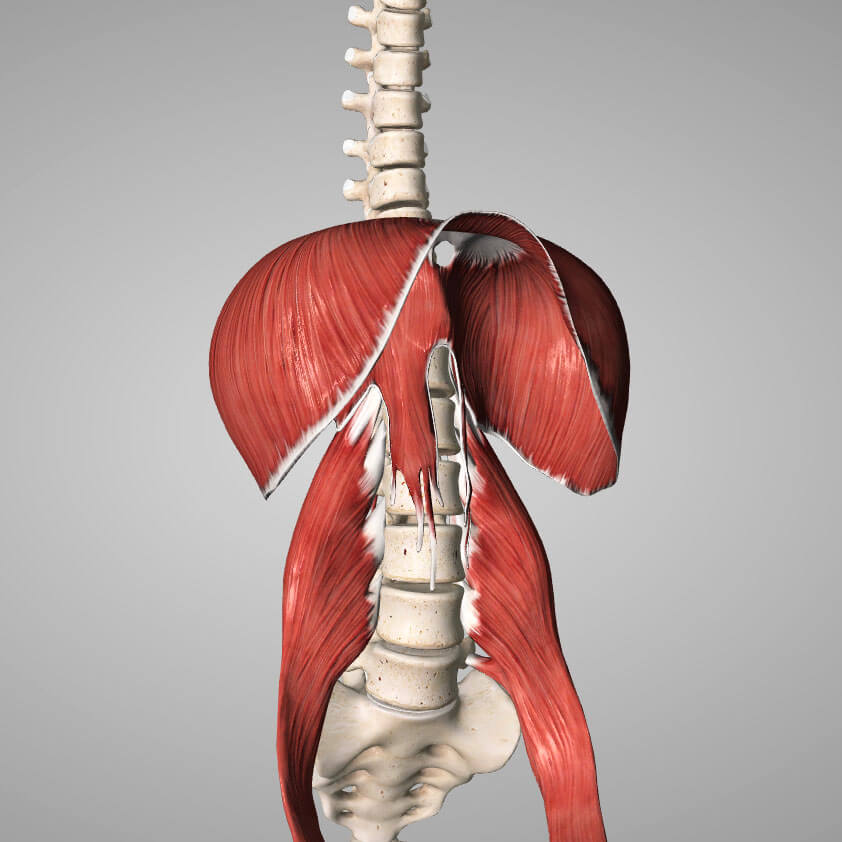
The fibers of the psoas originate from the vertebral bodies and discs of the lower thoracic and lumbar spine and insert on the thigh bone.  Contracting the psoas pulls the thigh bone up when the leg is free to move, however if the leg is fixed, contraction causes the spinal column to bend backwards and side bending to the same side.  

The psoas muscle often gets a bad rap for being overly tight, spastic and a source for lower back pain.  Although psoas dysfunction is common and soft tissue mobilization can serve an important role in restoring normal function, the muscle should be appreciated, not demonized, as it serves an important role in our spinal stabilization system. 

The deep fibers of the psoas close to the spinal column have a high concentration of slow twitch muscle fibers and attach to the spinal discs highlighting its role as the primary stabilizing muscle strut on the front of spine.  Psoas fibers blend with the root of the diaphragm further assisting the postural role our diaphragm serves.  

Interesting fascia fact: the fascial network of the psoas can be traced all the way up to mid-thoracic spine to approximately the T5 level where it blends with fascia from the deep neck flexors.  Functionally these muscle groups cannot be separated.  

Additionally, the transverse abdominis, deep fibers of the quadratus lumborum, pelvic floor and diaphragm serve to create spinal stability and are highlighted in our last blog.  All of these muscles are connected both directly to each other and indirectly through the fascial system.  

Paoletti 2006, figure 2-4: Cross Section through the Abdomen

Together, this myofascial system creates a circumferential corset around the spine creating the active system that provides the dynamic stiffness to effectively reduce/prevent adverse vertebral motions thereby protecting the ligaments, joints and discs from potential injury

These core muscle contractions are created by an automatic/subconscious (meaning you shouldn’t have to think about it) activation of the slow twitch muscle fibers.  The term we use to describe this in the clinic is your Automatic Core EngagementTM or ACE, and we use a variety of tests in the clinic to help determine if your ACE is efficient in any functional position.  

Implications of Core Dysfunction 

Core muscle weakness is associated with chronic lower back pain 1,2.  The multifidus has been shown to become inhibited (turned off) after spinal injury and does not turn back on, even after the symptoms of the injury have subsided 3, leading to increased risk of injury in the future.   Additionally, cross-sectional studies of the muscles in patients with chronic lower back pain have fatty infiltration into their multifidus muscle group (shown in white in the picture below).  Furthermore, studies looking at functional MRI’s show the brain actually loses an accurate representation of the transverse abdominis and multifidus in individuals with chronic lower back pain5

MRI evidence of fatty infiltration into the multifidus

On a cellular level, Slow twitch fibers have energy systems that support prolonged muscle contractions and therefore do not fatigue quickly.  Fast twitch fibers contract to create movement or perform short, repeated movements, but fatigue quickly when asked to perform a sustained contraction. Other terms that could be used to differentiate the fast and slow twitch commonly used in Functional Manual Therapy TM  are tonic and phasic fibers.  Keep this?

Facilitate Your Core – the First Step 

The Functional Manual TherapyTM curriculum defines efficient neuromuscular function as: 

The neurophysiological ability of synergistic muscles to initiate a contraction with proper strength and endurance for the given task, including the ability to return to a state of muscular relaxation.” 

The key term we are going to focus on in the above definition is initiation.  As mentioned above, muscle can become inhibited and later replaced with fatty infiltrates in a state of pain or after injury.  Before muscles can be strengthened, the basic function of muscle activation and coordination need to be reinstated and initiation is the first step.  

To facilitate a muscle, there are several options.  In the FMT approach frequently we utilize prolonged end range holds to disinhibit/facilitate/tun back on muscle groups commonly found around the spinal column.  

A prolonged hold is tough and takes effort to “break through” to the shut down muscles.  When recruited maximally, there is a spreading of muscle energy into and throughout the deeper layers and more densely inhibited muscle fibers.  Isometric holds increase the volume of muscle recruitment, forcing deeper and inhibited muscle groups to fire more comprehensively.  In doing this repeatedly, the body will adapt a more efficient response from the fast and slow twitch fibers.  After muscle groups are effectively turned on and working together, movement patterns can functionally trained in a progressive format to build strength and endurance.

When performing the following exercises consider the following guidelines: 

  • Achieve the positions shown on the video, make them comfortable with supports as necessary 
  • When initiating the contraction, come on slowly and build into a more maximal effort
  • You must continue to breathe throughout the exercise normally 
    • Do not hold your breath.  
    • Keep your whole tongue on the roof of your mouth
  • Maintain the efforts to and through fatigue: 
    • this is often accompanied by a sensation of shaking in the muscle groups
    • If you can work through the shakes and achieve better stillness and improved ability to breath normally, you are achieving the goal 
  • They should not cause your pain to increase or spread
  • You should be screened by your FMT specialist for your safety prior to performing these exercises

Resisted diaphragm 

Abdominal series

Prone ballerina

Basking seal 

Triple extension 

  1.  Zheng Y, Ke S, Lin C, Li X, Liu C, Wu Y, Xin W, Ma C, Wu S. Effect of Core Stability Training Monitored by Rehabilitative Ultrasound Image and Surface Electromyogram in Local Core Muscles of Healthy People. Pain Research and Management. 2019;2019.
  1.  Kliziene I, Sipaviciene S, Klizas S, Imbrasiene D. Effects of core stability exercises on multifidus muscles in healthy women and women with chronic low-back pain. Journal of back and musculoskeletal rehabilitation. 2015 Jan 1;28(4):841-7.
  1. Hides, Julie A. PhD; Richardson, Carolyn A. PhD; Jull, Gwendolen A. MPhty Multifidus Muscle Recovery Is Not Automatic After Resolution of Acute, First-Episode Low Back Pain, Spine: December 1, 1996 – Volume 21 – Issue 23 – p 2763-2769. 
  1. J. Antony, K. McGuinness, N. Welch, J. Coyle, A. Franklyn-Miller, N.E. O’Connor, K. Moran. An interactive segmentation tool for quantifying fat in lumbar muscles using axial lumbar-spine MRI.  IRBM: 2016 Volume 37, Issue 1, Pages 11-22.
  1. Xin Li, Howe Liu, Le Ge, Yifeng Yan, Wai Leung Ambrose Lo, Le Li, Chuhuai Wang, “Cortical Representations of Transversus Abdominis and Multifidus Muscles Were Discrete in Patients with Chronic Low Back Pain: Evidence Elicited by TMS”, Neural Plasticity, vol. 2021.
  2. Paoletti, Serge. Eastland Press Inc. 2006

A tendinopathy is a term to describe pain, swelling, and functional impairment to a tendon. Photobiomodulation (also knowns as cold laser therapy) has been shown to treat the symptoms in both tendinitis and tendinosis, as well as performing as a reliable adjunct in the rehabilitative process. The intention of this article is to shed some light on how photobiomodulation can help heal the damaged tissue. Additionally, clarity will be introduced on how tendinitis differs from tendinosis.

Tendinitis

Tendinitis is less common, and is the appropriate diagnosis when there is a recent  injury causing a  sudden spike of inflammation in a tendon. Symptoms of pain, heat, stiffness, swelling, and limited tolerance to activity are typical and last in a range of 2- 10 days.  However, some cases have been known to persist. Photobiomodulation is the ideal treatment to heal the damaged tissues that caused tendon inflammation.

The primary benefits that photobiomodulation brings to the table are the following:

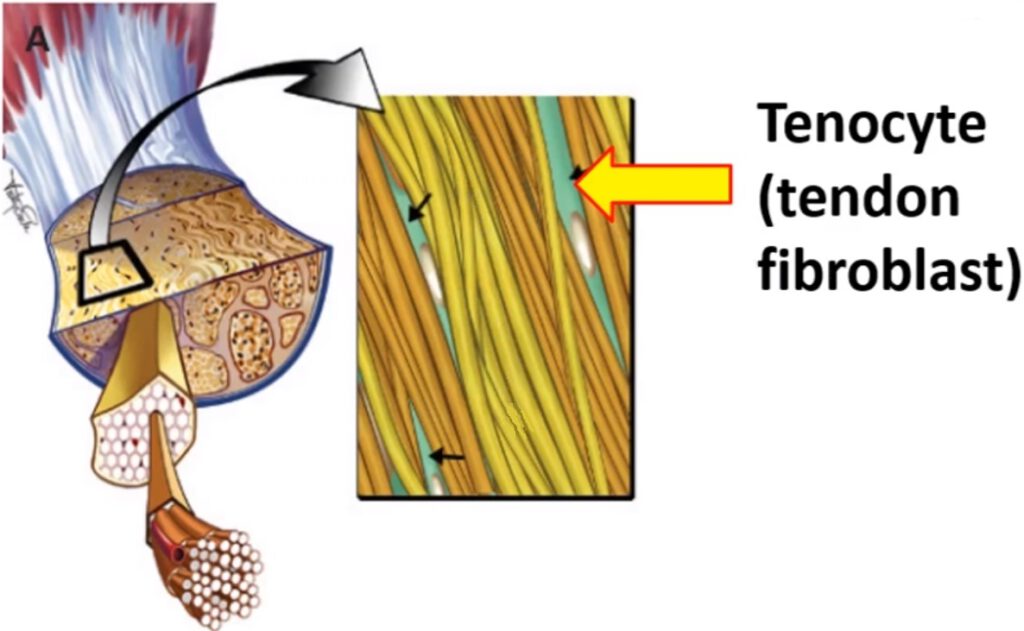
  1. Stimulation of collagen production from tendon cells (tenocytes)
  2. Immune system damage control
  3. Muscle tissue repair by stimulating muscle regenerating stem cells! 

Immune system damage control involves reigning in the “pro-Inflammatory” (inflammation producing) cells and deploying the “anti-inflammatory” cells. Pro-inflammatory cells are initially helpful to control infection and stabilize the damaged tissue. Resolving this process quickly is ideal in most situations, reducing the likelihood of a stalled or delayed healing process.

What About Tendinosis?

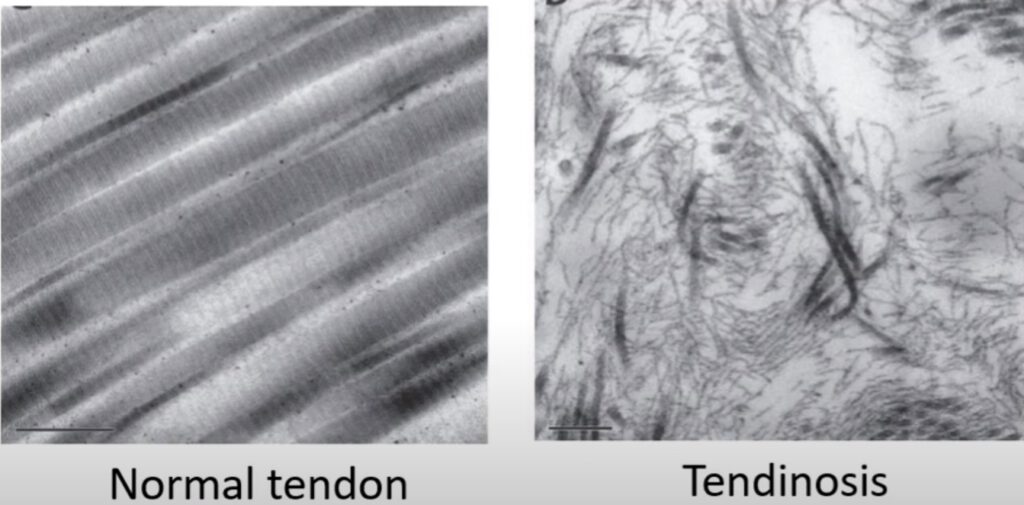
Repeated bouts of tendinitis are an indication that the tendon has never fully healed and is functioning in a degenerative state. This is called tendinosis. Research has shown that in this state, there are actually very few inflammatory cells present in the tissue. Although you might think your tendon is swollen, in reality it isn’t.

Symptoms of tendinosis usually include stiffness in the morning or after periods of immobility, and dull, aching pain with occasional sharp pain with activity. Healing timelines for tendinosis can be anywhere from 3-6 months on average. This is dependent on the extent of degeneration and whether or not a rehabilitation program has been initiated. 

The body heals a tendon by laying down type 3 collagen fibers (the fibers on the right picture). This is a weaker less durable fiber that requires eccentric loading exercises to mature and remodel into stronger type 1 collagen fibers (the fibers on the left picture). Photobiomodulation has been shown to stimulate tendon cells (tenocytes) to produce type 1 collagen (strong organized collagen fiber) vs type 3 (weak disorganized collagen fiber) in tendon degenerative states. This process accelerates recovery and provides stronger tissues.  

Eccentric Exercise to the Rescue!

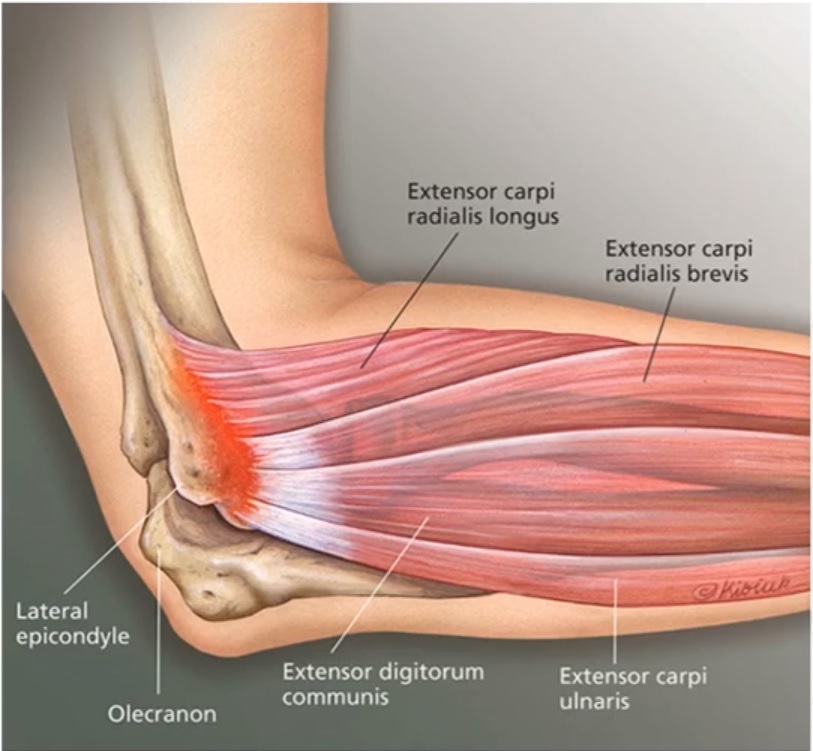
Eccentric exercise causes mechanical stress to the musculotendinous junction. The what? This is the point where the muscle attaches to the bone. In the case of the lateral elbow, the extensor carpi radialis brevis muscle (the most common muscle involved in lateral epiondilytis) attaches to the humerous bone on the lateral epicondyle. Lengthening the muscle under controlled tension (eccentric exercise) pulls tension on the disorganized type 3 collagen fibers, stimulating protein synthesis. This further assists in altering the strength of the collagen into a stronger more resilient type 1 collagen structure. Your clinician at IPA Physio will work with you on safe and effective exercises using the FMT approach. This process is initiated after inflammatory signs and symptoms have resolved.

Don’t Just Mask Pain!

Non-steroidal anti-inflammatory drugs (NSAID) and steroid injections are capable of controlling the pain in both situations. Unfortunately, these drugs have been proven to accelerate the degenerative process within a tendon! This increases the likelihood of more severe injuries such as large tears or ruptures. Photobiomodulation (cold laser therapy) has a curative effect on the tissue and has been shown to be as effective at controlling inflammation in the “itis” phase as well as accelerating the restoration of the degenerative tendon. This is all without any negative side effects!

Get Started Healing!

Currently, photobiomodulation is only available at the IPA Physio Portland location. IPA Physio Portland utilizes the BioFlex laser therapy system to treat and cure a variety of musculoskeletal injuries. These include post surgical, acute sprains and strains as well as chronic degenerative conditions throughout the entire body. 

Reach out to IPA Physio Portland for more information on how photobiomodulation can help you!

Articles:

  1. Comparison of Photobiomodulation and Anti-Inflammatory Drugs on Tissue Repair on Collagenase-Induced Achilles Tendon Inflammation in Rats
  2. Clinical management of tendinopathy: A systematic review of systematic reviews evaluating the effectiveness of tendinopathy treatments
  3. A randomised, placebo controlled trial of low level laser therapy for activated Achilles tendinitis with microdialysis measurement of peritendinous prostaglandin E2 concentrations
  4. Effects of Low-Level Laser Therapy and Eccentric Exercises in the Treatment of Recreational Athletes with Chronic Achilles Tendinopathy

The terms “core strength” and “spinal stabilization” often invokes the image of ripped six-pack abs and trimmed obliques. Although the rectus abdominis (6 pack muscle) and the obliques serve important roles in generating efficient movement of our bodies, in isolation they do not serve as effective stabilizers of the spine. Instead, those muscles must work in dynamic coordination with other muscles to provide spinal protection and “core strength”. If you don’t know these muscles, don’t worry, we will introduce you to them below! Core function and spinal stabilization are broad topics that cannot be covered in a single blog. In this series of writings, we plan to explore both of these topics in relationship to our approach to physical therapy, Functional Manual Therapy ™. The intention of this article is to provide you with a functional context of how our core functions and how our posture impacts core function.

An Optimally Functioning Core Efficiently Generates and Regulates Intra-Abdominal Pressure

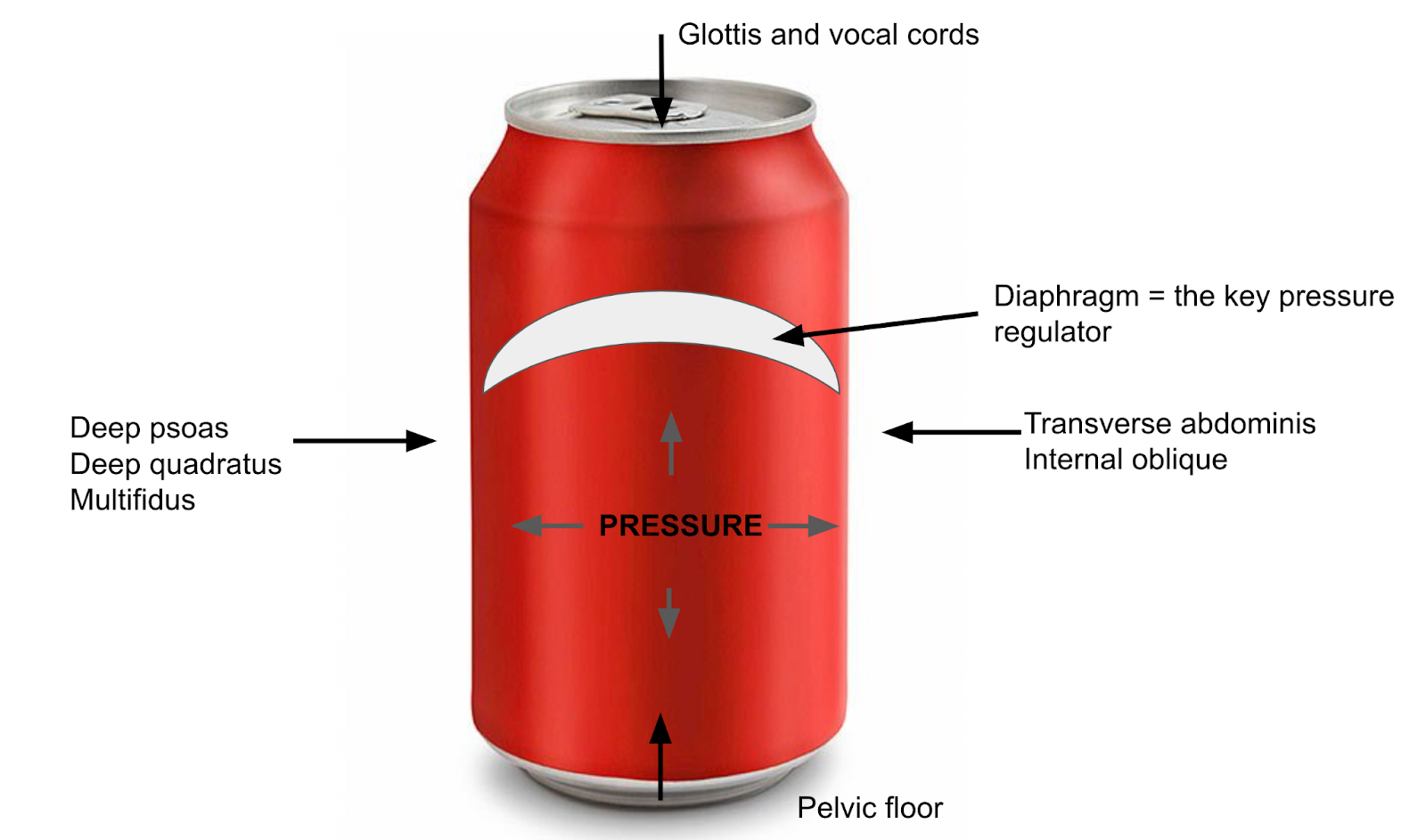
A helpful model to view our core as a pressure regulation system is to visualize a cylinder, like a closed can of soda.  This model was initially discussed by Mary Massery, a fellow physical therapist and renowned researcher.  As long as the can remains sealed, the pressure contained within the can increases the structural integrity of the otherwise thin and weak aluminum walls. In this case, the can withstand compression, twisting and shear forces without damage. However, when you break the seal and lose pressure, the structure fails and can easily be crushed.  

Key “Can” Muscles 

When we look at the above model, the glottis is the top seal. The glottis is located at the top of your windpipe and houses your vocal cords.

Say “ahh” – those are your vocal cords regulating the rate of pressure escaping from your chest while simultaneously vibrating between 100-1,000 cycles per second to create the desired tone. Amazing!

The glottis is dynamic in its role as a pressure regulator.  It can be completely closed when you bear down, which allows no air to escape and provides maximal pressure within your throat, chest, and abdomen. This increased pressure provides a stable structure for maximal force production and structural integrity. An example of this is when a powerlifter exerts maximal effort to lift a very heavy object or move an object very quickly. Max pressure within the confines of your head, chest, and abdomen allows you to create maximal force, however, you can’t hold this pressure for long because you will push all the blood to your head and pass out. This is technically called a “Valsalva maneuver” in case you are familiar with that term.

Rather than just being open or closed, the glottis can regulate intra-abdominal pressure by slowly releasing pressure to match the desired force production. The most effective and safe way to produce this pressure is to slowly exhale during the execution of maximal effort. In an efficient system, the glottis acts as a valve that precisely regulates the amount of pressure that is required for the task you are performing. When we want high pressure (without blacking out) we find strength by bearing down for short periods while simultaneously exhaling slowly. 

Cleary, the glottis plays an important role in the function of our core, but the glottis does not work alone to regulate these pressures. It must work in coordination with another muscle at the bottom of our rib cage to generate pressure in our trunk. That muscle is the diaphragm. The diaphragm is a dome-shaped muscle that lies in the middle of your ribcage.  It has 2 primary functions, breathing and pressure creation. When the diaphragm contracts it pulls air into the lungs.  The diaphragm contraction pushes the muscle downward and compresses the abdominal organs increasing the pressure in the abdomen. This pressure pushes out in all directions.  The goal of our abdominals, back and pelvic floor muscles is to not let this pressure escape, and therefore increase stability through intra-abdominal pressure.

The pelvic floor opposes the contraction of the diaphragm and acts as the seal on the bottom of the can.  If the bottom of the can doesn’t work, you either pee or poo when you don’t want to, or your guts fall out (prolapsed organs are real and you don’t want one). On a less extreme note, we know when the pelvic floor doesn’t work as it should, neither do our back stabilizing muscles. A week pelvic floor absolutely equals a weak core.

The transverse abdominis, internal and external obliques, and parts of the quadratus lumborum all act as the walls of the canister, and actively contract to resist the pressure created by the diaphragm moving downward.  If these walls are weak, or have structural breaks, the intra-abdominal pressure is lost and the structure can fail (like the soda can). Failure of these walls can result in many things including hernias, where part of your intestine can push through the abdominal wall.  Commonly this occurs around the belly button or groin. 

Failure of the abdominal wall can also result in diastasis recti, a condition where the abdominal wall is stretched thin resulting in separation of the rectus abdominis.  In men, this occurs most often between the ribcage and the belly button and in women between the pubic bone and the belly button (this commonly occurs during pregnancy). 

The deep fibers of the psoas, multifidus muscles, parts of the quadratus lumborum, and other very small muscles between each of the spinal vertebrae work in conjunction to stabilize the innermost load-bearing structure, the spinal column. Simply put, they are like bolts that hold a tall building together. If a bolt breaks, the building loses part of its structural integrity and can fall apart. The contraction and strength of these deep muscles are enhanced by the presence of intra-abdominal pressure, therefore these small and larger muscle groups are dependent upon each other for optimum function. We will discuss the function of these deep core muscles in our next blog post.

 The pressure maintained within our trunk is a dynamic anchor that serves as a base of support for our limbs to move as well as distribute the forces affecting our bodies in static and dynamic tasks. 

The effectiveness of pressure regulation is dependent on mechanical, neuromuscular and motor control components (see future blog posts on this topic).  From a neuromuscular perspective, alignment of the structure has a direct impact on the function on an individual or a group of muscles. Yes, posture and alignment DOES matter!

Optimizing alignment and dynamic control of your skeleton while breathing (see Dr. Rumford’s blog “Get Over Yourself” and “Guide to Optimal Sitting Posture” for a more detailed discussion) should be the primary goal for optimal performance.  Our postural strategies play a pivotal role in the physics of our muscle groups and therefore pressure regulation.  

Muscles function a lot like Goldilocks and The Three Bears.  If a muscle is too short (papa bear) or too long (mama bear) it loses strength.  However, if the length of a muscle is just right, it can generate peak force. 

Now think about the core cylinder up above and apply this same concept to muscles of our core.   The diaphragm, pelvic floor, all the walls, all have an ideal resting length where they can generate the most effective contraction to regulate pressure.  

These are examples of common dysfunctional postures with the last being fairly efficient where skeletal alignment is maintained and the pressure from gravity moves evenly into the base of support.  When you observe the dysfunctional postures, picture the core cylinder and how the muscle lose their optimum length/tension relationship. In postures 1-3, the structure is compressed, lengthened, twisted or sheared, and therefore pressure retention is compromised simply because the structure is positioned poorly. 

The pressure in our abdominal cavity gives buoyancy to our structure so no one piece of the structure is adversely loaded. When our alignment shifts away from optimum and our pressure system is compromised we are more likely to develop mechanical stress points (disks, joints, ligaments, etc.). From this compression the mechanical stress points break down (arthritis, tendonitis, etc.), and as damage accumulates we inherently become more and more stiff.

Clinically we see the closer the body gets to being efficiently aligned the stronger the patient becomes. So posture is absolutely important from the standpoint that efficient alignment gives you the best opportunity to access your pressure system and therefore your core strength.  When posture is aligned and balanced with weight distributed into the base of support, there is a natural contraction of your core muscles – we call this an Automatic Core Engagement™.  When we learn to utilize efficient postural strategies, we naturally strengthen our core and can more optimally train our “mover muscles” to perform the necessary tasks.  

So take some time to observe your posture and your breathing habits. How do you stack up relative to posture 4 above? Are you feeling stiff and locked into your posture? If getting vertical feels impossible to achieve or maintain, you are working against too many variables to have success. Some of these barriers are mechanical stiffnesses and some reflect that your brain physically doesn’t know how to achieve these postures and needs to be guided. This is the job of a Functional Manual Therapist™ and we specialize in helping people achieve a more optimum state of function. Reach out and enquire about how we can partner with you to help you Achieve Your Potential™.

Top strategies to keeping your loved ones out of nursing homes and long-term care facilities.

As we all know, admittance to long term care facilities can lead to a loss of independence and an increased risk of infectious disease. Fall prevention is key to helping keep your loved ones safe and independent.

Background

Falling over the age of 65 can have some major implications on our current and future health and quality of life. Statistically, 30% of adults over 65 will fall each year and two-thirds of those who fall will have additional falls within 6 months. Falling leads to an increased risk of being admitted to a long-term care facility and is the leading cause of injury and hospitalization for people 65 and older.

What are the risk factors?

As there are over 200 risk factors that contribute to falls, let’s take a look at some of the top risks that might be considered modifiable:

  • Changes to gait, mobility and balance, muscle weakness
  • Perception of functional ability and fear of falling
  • Home hazards
  • Medications
  • Visual impairment

Let’s build some strength and balance

Exercises that progressively improve balance and leg strength in both static and dynamic situations have been shown to reduce the risk of falling and improve gait safety in household and community settings. The CDC has compiled a list of effective fall intervention programs that can be safely administered by a therapy team or caregiver with training. Two of my favorite programs from this list include the Otago Exercise Program and the Adapted Physical Activity Program. Both of these programs have simple yet effective exercises that target both static and dynamic balance with varying base of support positions (narrow, wide, tandem, single limb), multidirectional walking and stepping exercises, standing and sitting exercises for the legs and trunk as well as reactionary exercises that challenge reflexes. Studies that followed these programs showed a reduction in falls by 60%, reduction of injury if a fall was sustained and improved quality of life. Experiencing pain while trying to perform these exercises is a good indication of the need to reach out to a physical therapist at IPA Physio so we can help restore pain-free mobility so you can exercise to gain stability.

Stand by assistance or contact guarding is recommended for individuals who are just starting out with these exercises. As always, consult with your primary care physician and physical therapy team before starting any exercise program.

What’s the layout of your home?

Environmental factors in the home can add fuel to the fire when it comes to the risk of falling. This along with possible medication side effects, visual deficiencies and other medical co-morbidities only make things more challenging to overcome. Rugs that are loose, furniture that is too low to the ground, steps and stairs (especially with poorly secured railings or even worse no rail at all) can all increase the risk of falling. It is always helpful to have a trained expert come and assess the safety of your home. They will be able to provide recommendations for safe mobility throughout the home. They can work with you to provide cost effective options for everything from bathroom rail systems to kitchen setup for easy access to cookware.

Final considerations not to overlook

Other considerations for fall prevention would include discussing with your primary care team on all pharmaceutical options that minimize side effects that lead to increased risk of falling such as dizziness, drowsiness, and fatigue (see our blog on sleep hygiene). Visual impairments can play a role in fall risk, especially if you have been prescribed a pair of glasses that have a lower disturbed visual field (such as bifocals). These can lead to a trip over an uneven sidewalk or challenges with changes in light adjustment. Make sure to discuss all eyewear options with your optometrist for the most effective strategy for indoor and outdoor use.

For all other questions regarding strategies to implement these exercises, please contact IPA Physio.

The Correlation Between Moving Better and Going Low

If you’ve been following professional golf recently, you may have seen the up-and-coming generation of players bombing 350+ yard drives. You also may have observed that tour players look more athletic and chiseled now than in previous generations of golfers.

This begs the question: How much of a role does physical fitness play in golf?

One main argument I hear against golfers being athletes takes different forms of the following: “Overweight, unathletic, elderly, etc. people can be good at golf, while riding in a golf cart, and drinking beer, so how can this be a physically challenging (or athletic) activity”?

It is likely that someone who would ask this question has not played much golf. However, I will offer an answer anyway. Many people of all physical builds, athletic abilities, and goals, play golf. But those that play golf well, tend to possess superior physical conditioning (optimal strength and mobility).

This is where the Titleist Performance Institute (TPI) comes in. TPI consists of a series of movement screens, swing analysis techniques, and corrective exercises that allow golfers to identify physical causes in their own bodies for swing flaws which lead to poor shots and scores.

Read on to learn how we at IPA Physio use the TPI model in conjunction with Functional Manual Therapy™ to help golfers.

How We Use Movement Screens to Help Optimize the Golf Swing

We use movement screens rather than isolated musculoskeletal exams. Compared to isolated strength and range of motion testing, these screens are better able to identify faulty mechanics and areas of the body that are weak or less mobile.

If a key muscle group is dysfunctional (lacks initiation, strength, endurance, or mobility), then the golfer will perform a compensation during their swing in order to make contact with the ball. For example, if the hip extensor muscles (glutes and hamstrings) are not firing appropriately, the body may find another way to generate force during the downswing. This will likely involve extension of the low back.

Our goal in optimizing our clients’ mobility and strength is to not only improve our clients’ golf games, but to train them to use their bodies optimally in all facets of life. If you don’t fire your glutes efficiently during the golf swing, how do expect they will react when you are moving a heavy piece of furniture? Probably not well, which can lead to chronic pain and injury.

A common compensatory relationship that we see clinically is the connection between limited thoracic and/or hip mobility and abnormal motion of the lumbar spine. This often leads to lower back pain in golfers, a condition that can often be reversed through treatment.

How Compensations Start

The question you should be asking is: How did my body start compensating in the first place?

The answer likely involves a combination of variables concisely summarized by TPI as: “The Four T’s.” Each of these variables can profoundly affect the health of your body and lead to abnormal patterns over time.

The Four T’s are:

  1. Traumas: Accidents are a common means of compensatory patterns in the body. However, even more common are repetitive maladaptive postures that you may occupy throughout the day.
  2. Thoughts: Stress and anxiety can often be overlooked factors. They can immensely affect physical health of most if not all bodily tissues and functions.
  3. Toxins – There may be chemical pollutants in your environment that you are not aware of. Unhealthy food, poorly filtered water, and unclean air also play an important role in how your body functions.
  4. Techniques – You may be prone to developing poor movement patterns over time, especially without coaching or awareness training. These may include lifting mechanics, reaching, bending, walking, getting into/out of bed, etc.

Though one or two of these variables may be more relevant for you, it is important to not overlook any of them when optimization is the end goal. Improving your technique can greatly increase your golf performance.

Some Common Dysfunctional Patterns We See in Golfers

C-Posture

This is commonly seen as the golfer addresses the ball, and is characterized by a rounded upper back. The mechanical dysfunction we find clinically in these players is a significant lack of thoracic spine extension (likely due to the presence of one or more of the 4 T’s), but we also commonly see an inability to properly hip hinge during address. C-posture contributes to a significant loss of spinal rotation, thus limiting the ability to turn freely in the golf swing.

Loss of Posture (Specifically Early Extension During the Downswing):

We define any alteration in the body’s original set-up angles at address is “loss of posture”. This swing fault can negatively affect timing, balance, and rhythm during the golf swing. If body angles change significantly during the swing, the player will have to compensate by manipulating the clubhead with the wrist and hands.

If you want the most reproducible swing possible, you want to rely primarily on rotation of the shoulders, torso, and hips rather than the wrist and hands. Swings built around wrist and hand action are timing-based and lack consistency.

“Early extension” occurs when the hips and spine of the golfer move into extension prematurely during the downswing (see photo). Physically, this can be caused by an internal rotation limitation in the lead hip, the inability to dissociate pelvic movement from torso, and/or a lack of abdominal/gluteal strength or initiation. It is important to assess for and treat out these dysfunctions in order to improve a golfer’s ability to maintain posture during the swing, thus maximizing ball-striking precision, accuracy, and power.

Sway:

When a player has excessive lateral movement away from the target during the backswing, this is categorized as “sway”.

The existence of this swing fault makes it difficult to properly weight shift during the transition into the downswing. This leads to significantly reduced power.

Clinically, we often see a lack of trail hip internal rotation leading to the compensatory lateral sway during the backswing. For a right-handed golfer, this would be a restriction in the right hip. This may be due to joint or muscular restrictions.

There may also be a weakness in the lateral hip muscles which controls lower body lateral stability. Also (like in the ‘loss of posture’ swing pattern), the golfer may lack the motor control necessary to dissociate pelvic motion from the torso.

Each of these physical restrictions and motor control issues can be improved through consistent treatment and a focused retraining effort.

Four Steps to Optimizing your Golf Game

  1. Be consistent with your golf practice and playing routine.
  2. Find a swing coach that can help you improve your swing biomechanics.
  3. Let us help you identify and treat areas of past injury, trauma, or repetitive strain. This will serve to enhance your swing and optimize overall posture and body mechanics, preventing injury.
  4. Identify thoughts (mental game, stress) and toxins (nutrition, poor health habits, etc.) that may be holding you back.

This should give you a start in improving your game. Please reach out if you have any additional questions, and I would be happy to help address specific concerns. Hit em’ straight!

For more information, check out:

The Titleist Performance Institute Certification Program and Teaching Center

Our primary goal at IPA Physio is to help you discover your potential! Inherent to this goal is our desire to help you feel better, move better, and live better. We want to provide you with tools that enable you to move forward with confidence. The information in this article will help you optimize your health and wellness. As you improve your overall health, pain, stiffness, fatigue, and other symptoms will diminish or completely disappear.

We cover much of this information at some point during treatment, but inevitably certain aspects may be missed. Many of you will read this having never been treated by an IPA Physio clinician. In either case, the following information will be valuable for you as you seek to live your best life! 

Hopefully this information stimulates further discussion as we all move to enhance physical capacity and resilience.

Discover Your Potential®

If you are in pain, chronically fatigued, or experiencing other chronic symptoms, your lifestyle is probably responsible. This is particularly true of pain that seems to be present with no known cause. If you are like most people, your habits regarding sleep, nutrition, exercise, and stress need to change.

Start with your lifestyle:

  • Sleep at least 8 hours per night. Sleep deprivation is at the root of many disease processes. This includes pain conditions. Sleep is the foundation on which diet, exercise, and a healthy mental state are built upon to create a healthy life. Here are 10 simple steps to improve your sleep.
  • Eat whole foods, mostly vegetables and organic whenever possible. Avoid added sugars and processed foods! Eat healthy, whole foods! Many people have food sensitivities or allergies that play a direct role in their pain. Additionally, most of these people are not even aware of the connection to food until they eliminate it from their diet and experience the difference.
  • Movement and Exercise are critical to overall health. This includes your posture and body mechanics. Every movement you make is an opportunity to either positively or negatively impact your system, and your posture affects your mood. You need to exercise at least 30 minutes per day, 5 days per week (at least!). A comprehensive exercise program will address mobility, balance, coordination, strength, endurance, and cardiorespiratory fitness. Countless published scientific studies demonstrate the importance of exercise in reducing pain, increasing functional capacity of the body, and improving mental health.
  • Manage your stress. Stress hormones make pain worse and decrease physical and mental performance. Mental health and physical health are inextricably linked. Chronic emotional stress is also at the heart of many afflictions including depression, ulcers, irritable bowel syndrome, heart disease, diabetes, and more. A few simple strategies to manage your stress include doing activities that you enjoy, participating in community activities, meditation, mental imagery, and breathing exercises.

De-Tox to discover what it feels like to be healthy!

How well is your body getting rid of toxins? We have discussed dietary allergies & sensitivities, and these are very important to avoid. Equally important to identify and avoid are environmental allergies, such as dust, mold, heavy metals, pollution, etc. These can be more challenging to avoid, and they can be a significant source of inflammation. In the efficient state, our body gets rid of toxins in a number of ways, including urinating, pooping, sweating, and more.

  • How often do you poop? 1-2x/day is normal and healthy. If you poop less frequently, this needs to be addressed with your therapist and/or doctor.
  • How often do you sweat? Sweating is a great way to cleanse the body of toxins. There is not clear research in regard to how often you should sweat, but the more the better.

Are you weighed down?

Being overweight stresses your musculoskeletal system which often leads to or perpetuates pain. Obesity also stresses your body on a physiological level, related to blood sugar control. Obesity has been shown to increase inflammation and the risk of developing cardiovascular diseases, metabolic syndrome, insulin resistance, and diabetes mellitus. For this reason, if you are overweight or obese, take action to work towards your target weight. We can assist with more information and resources.

Man holding head as though in pain. Representative of mental health, physical health, and more. Man's back of head is shattered into fragments.

You need to know this about pain.

Pain affects your entire being. This goes beyond the location that “hurts”. When you experience pain for an extended period of time (chronic pain) many body systems change. These changes may actually sustain and reinforce your pain, creating a pain cycle called central sensitization.

  • Pain should diminish as tissues heal.
  • Most tissues heal within 2-8 weeks, depending on the injury.
  • Chronic pain is more complicated and driven by a number of mechanisms. It is important to partner with an expert clinician, such as those at IPA Physio, to guide you through an effective rehabilitation program.

A little science lesson:

This information is shocking to most people. Bodily sensations such as sharp and dull touch, hot and cold temperatures, and firm pressure versus light touch are all inputs to the brain. A nerve gets stimulated and sends a message to the brain about what is happening to your body. Unlike those sensations, pain is actually an output of the brain. This means your brain creates the experience of pain. And, it does this for an extremely important reason. The ability for the brain to generate pain is critical to survival and living a long and healthy life. Pain protects us from hurting ourselves. Pain is typically a warning sign that your body creates before you reach the threshold of tissue damage.

However, there is not a simple linear equation to explain the cause or severity of pain. Your brain processes these sensory inputs as well as historical context, stress levels, overall health of the body, and other factors. It then synthesizes all the information to conclude whether or not you are in danger. If the brain perceives you are in danger from the sum of all factors, it creates pain. If the culmination of all of the factors does not reach the threshold of danger, the brain does not create the experience of pain. Pain will modulate up or down through the influence of all of the aforementioned factors. If you can understand and manage/modify these factors, you can turn down the volume of the output, pain.  

‘Stop picking the scab.’ You can’t get better if you keep getting worse!

Are you doing activities that aggravate your symptoms? It may be how you sleep, or how you sit, or certain exercises, or sex, or doing household chores, etc… You need to be a detective in order to understand the triggers to your pain. It is important to modify, minimize, and/or stop these activities to allow your body to heal. Change the way you move, change the way you feel. Always notify your therapist when you identify a pain trigger, as they can help educate you of ways to more effectively perform each task.

If you have a menstrual cycle, this section is for you.

There are many symptoms commonly associated with the menstrual cycle. However, hormones and bodily changes that take place through the course of your cycle can increase a variety of symptoms throughout your body. These symptoms can include anything from neck pain, headaches, TMJ pain, and even leg pain. Track where you are in your cycle when you have exacerbations, take note of any patterns, and inform your therapist of any patterns you uncover. Additionally, significant pain that occurs at any point during your menstrual cycle is not normal or something you have to live with. This can be treated by a trained therapist (sometimes in conjunction with other medical professionals).

Suggestions to improve health and wellness and decrease pain

  • Breath. Breathing through your nose is imperative in order to achieve the optimal balance of oxygen and carbon dioxide in your bloodstream. With each breath your abdomen should expand slightly and your lower ribs should push outwards. You should not feel tension in your chest and neck while breathing at rest.
  • Meditation/mindfulness. Incorporating meditation/mindfulness centered around the breath is also very beneficial. There are a number of apps available to guide you here. Try starting by remaining silent for 5-10 minutes while focusing your attention to your breath.
  • Go for a walk. If walking does not increase your symptoms, it is a great way to increase blood flow, reduce stress, and promote cardiorespiratory fitness.
  • Try ice or heat. In our experience some people report reduction in pain and stiffness related to the application of ice and/or heat. Try one or the other. If you have had a good experience with one over the other in the past, try that first. In general, we find that ice is better for pain reduction and heat helps more with stiffness.
  • Stay hydratedwith water. Drink ample water throughout the day. If you need a guideline, try to drink eight 8-ounce glasses of water per day (8×8). Note this is a very general rule but if it helps you drink more water, great! Do not drink soda, juice, Gatorade, or other sugary drinks. Limit caffeine and alcohol consumption (remember these are drugs).
  • Get some sun. Sunlight has many benefits – mental, physical, and emotional. Moderate your sun intake – start by exposing your skin to 5-10 minutes of sunlight 3x/week without sunscreen (sunscreen will impair Vitamin D production, and many Americans are vitamin D deficient). Discuss with your physician if you have had or are high risk for skin cancer. Time in nature enhances physical and mental wellbeing.

Common supplements for pain and inflammation:

  • Concentrated cherry juice – concentrated, not from concentrate. Try two tablespoons mixed with water. This stuff is packed with antioxidants and anti-inflammatory mediators.
  • Omega 3 – again first modify your diet. The average American diet is pro-inflammatory in many ways, one of which is a poor balance between Omega-6 fatty acids (inflammatory) and Omega-3 fatty acids (anti-inflammatory). Adding Omega-3 supplementation may help reduce your pain and inflammation.
  • Vitamin D – if you are not getting enough sun, it may be helpful to supplement with Vitamin D. Vitamin D has many health benefits, including modulating our inflammatory response.
  • Other natural anti-inflammatory compounds – turmeric, resveratrol, and CBD.

Remember that supplements are not regulated by the FDA, and many have been found to contain undeclared stimulants, anabolic-androgenic steroids, pharmaceuticals, and other substances. It is critical to use a trusted source. 

Do not substitute drugs for healthy life choices.

Long-term medication utilization as a substitute for lifestyle change is a poor health decision. Chronic use of NSAIDS (non-steroidal anti-inflammatory drugs) such as aspirin, Advil, and Aleve, is associated with stomach problems, kidney problems, increased risk of heart attack and stroke, etc… They are not as benign as their marketing suggests. If they were developed today, many people question whether they would be allowed to be sold OTC (over the counter). Focus on improving your body’s own mechanisms for fighting inflammation, pain and aging. All three of these things are interrelated. We will continue to post more blog articles to provide tips and insights for how to optimize your body’s healthspan and lifespan.

Thank You

This article was a collaborative effort. Thank you to Ryan Johnson, Foster King, and Gregory Vescera for your contributions and insights based upon your clinical experience.