What is Pelvic Health Physical Therapy?
Many suffer silently, facing pelvic pain, stress, anxiety, and even embarrassing issues, like sexual dysfunction, incontinence, bowel health, and pregnancy-related concerns.
If you’re in this situation, remember there is hope.
Our Approach
At IPA Physio, we provide one-hour, one-on-one sessions to thoroughly understand our patients' issues, who they are as individuals, and their unique needs. Our primary aim is to help clients restore their body's optimal function.
Urinary & Bowel Problems
- Urinary Incontinence / Urgency / frequency
- Difficulty urinating / urinary retention
- Overactive Bladder
- Constipation
Pain & Sexual Dysfunction
- Sacroiliac / low back / hip pain
- Pain with sex
- Painful bladder / Interstitial Cystitis
- Infertility
- Athletic Pubalgia
Penile & Prostate Dysfunction
- Pre and Post Prostatectomy Rehab
- Chronic Pelvic Pain Syndrome / Chronic Prostatitis
- Erectile Dysfunction
- Peyronie’s Disease
Uterine / Ovarian Dysfunction / Women’s Health
- Endometriosis
- Painful menstrual cycles (dysmenorrhea)
- Pregnancy and Postpartum Rehab
- Pelvic Organ Prolapse
- Peri-Menopause / Menopause / Post-Menopause
Urinary & Bowel Problems
- Urinary Incontinence / Urgency / frequency
- Difficulty urinating / urinary retention
- Overactive Bladder
- Constipation
Pain & Sexual Dysfunction
- Sacroiliac / low back / hip pain
- Pain with sex
- Painful bladder / Interstitial Cystitis
- Infertility
- Athletic Pubalgia
Penile & Prostate Dysfunction
- Pre and Post Prostatectomy Rehab
- Chronic Pelvic Pain Syndrome / Chronic Prostatitis
- Erectile Dysfunction
- Peyronie’s Disease
Uterine / Ovarian Dysfunction / Women’s Health
- Endometriosis
- Painful menstrual cycles (dysmenorrhea)
- Pregnancy and Postpartum Rehab
- Pelvic Organ Prolapse
- Peri-Menopause / Menopause / Post-Menopause
What to Expect
Initial Evaluation
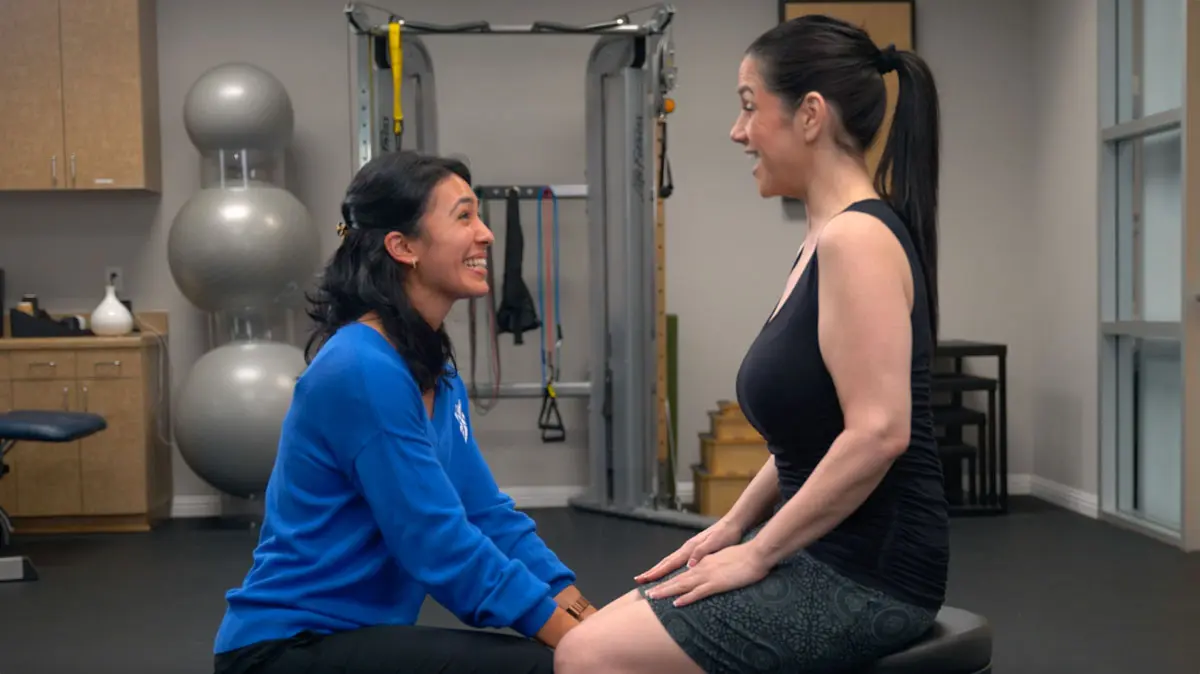
Oftentimes people are anxious and don’t know what to expect from the initial evaluation for pelvic floor physical therapy. We make this process easy and relaxed. The initial evaluation appointment is all about you and getting to know who you are as a person. We take the time to hear your story.
We aim to ease the anxiety and discomfort often associated with the first pelvic floor physical therapy evaluation by focusing on you, your comfort, and understanding your unique story.
Education is Key
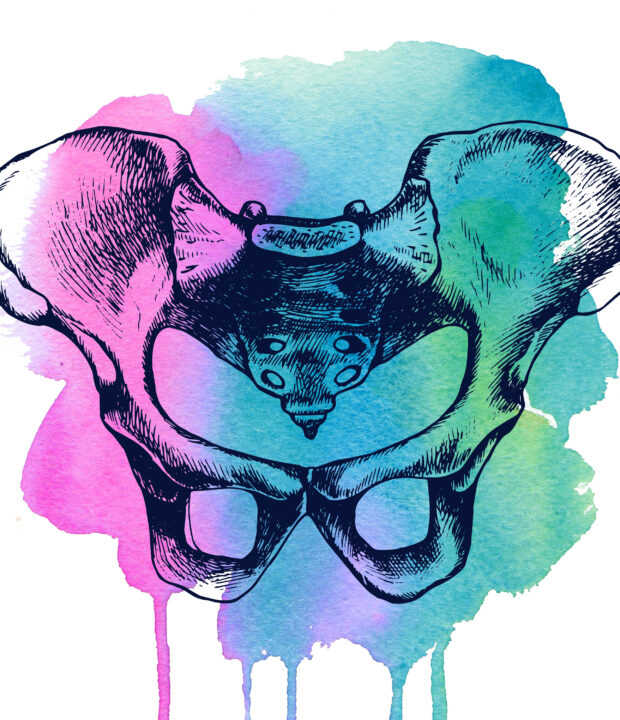
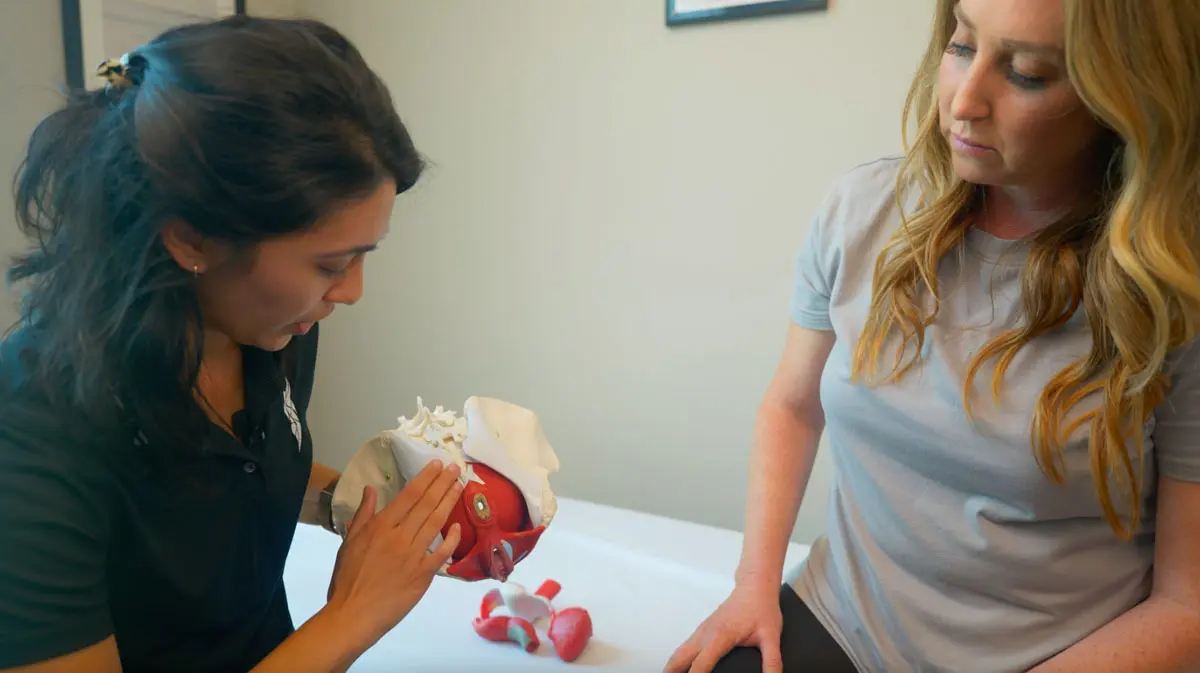
It is important to understand your pelvic floor anatomy and how it all relates to your symptoms. We take time to discuss what these muscles are, why they’re important, and to explore the anatomy of the pelvis including muscles, ligaments, and connective tissues.
We emphasize the importance of comprehending your pelvic floor anatomy and its relevance to your symptoms. Our discussions cover the muscles, their significance, and the anatomy of the pelvis, including muscles, ligaments, and connective tissues.


Thorough Assessment
An in-depth assessment of your pelvis and your whole body is performed to assess for all potential drivers of your pain and/or dysfunction. If you’re ready, an internal pelvic assessment is typically performed to map out your pelvic floor muscles and assess the resting tone of the muscles as well as your ability to contract and relax. If you would prefer to wait, no worries, we can postpone the internal assessment to a later treatment date and still get a lot accomplished.
We conduct a thorough assessment of your pelvis and your entire body to identify potential causes of your pain or dysfunction. An internal pelvic assessment, focusing on your pelvic floor muscles and function, can be performed if you’re comfortable; otherwise, we can postpone it to a later session while still making progress.
Treatment
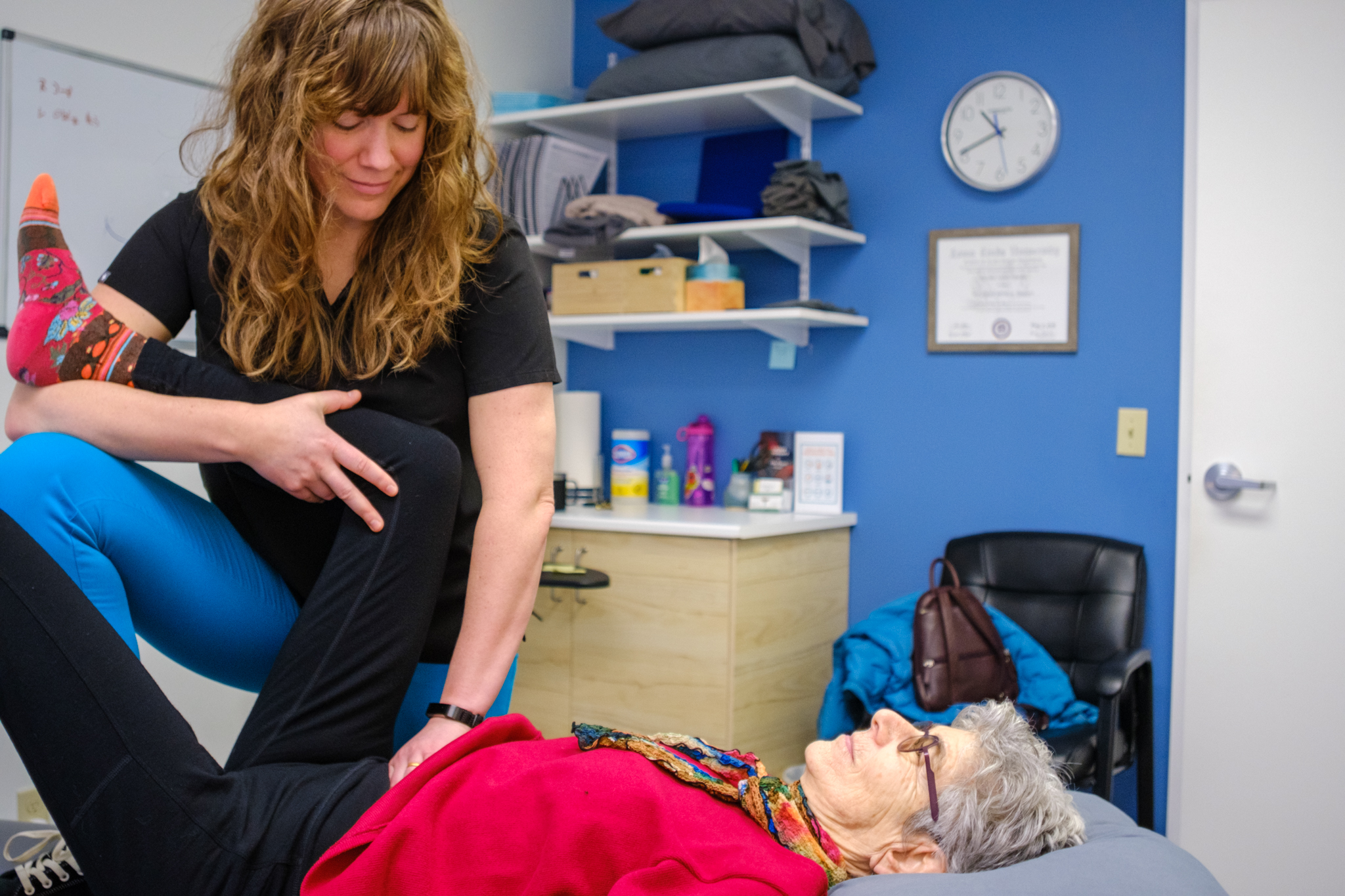
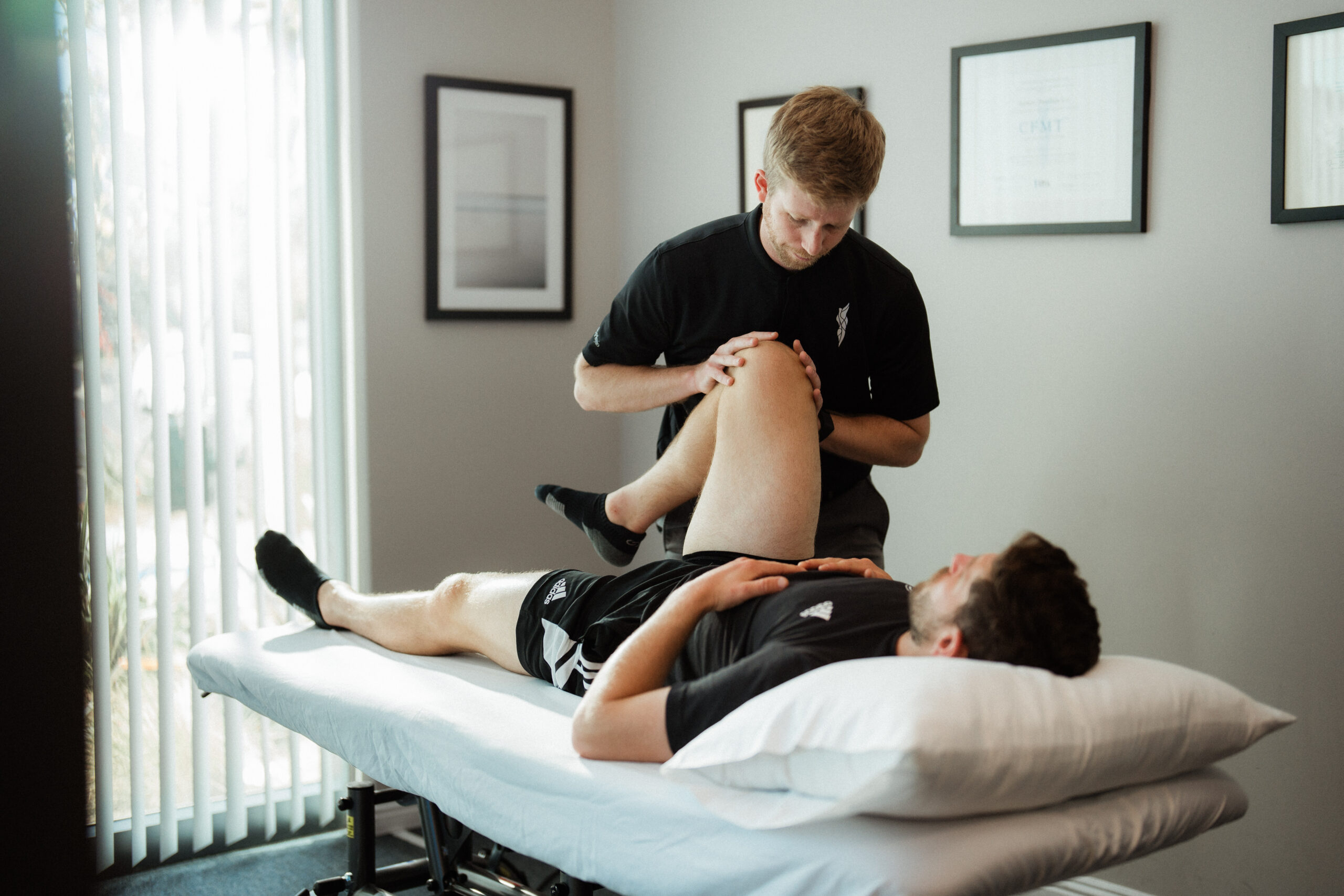
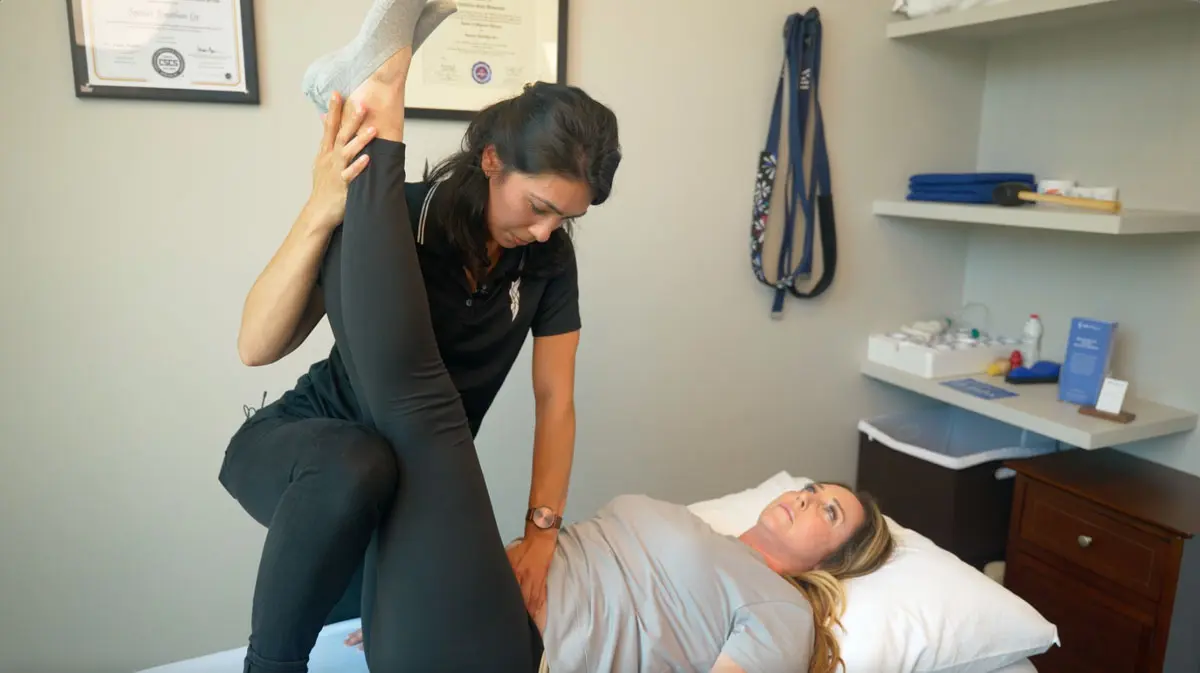
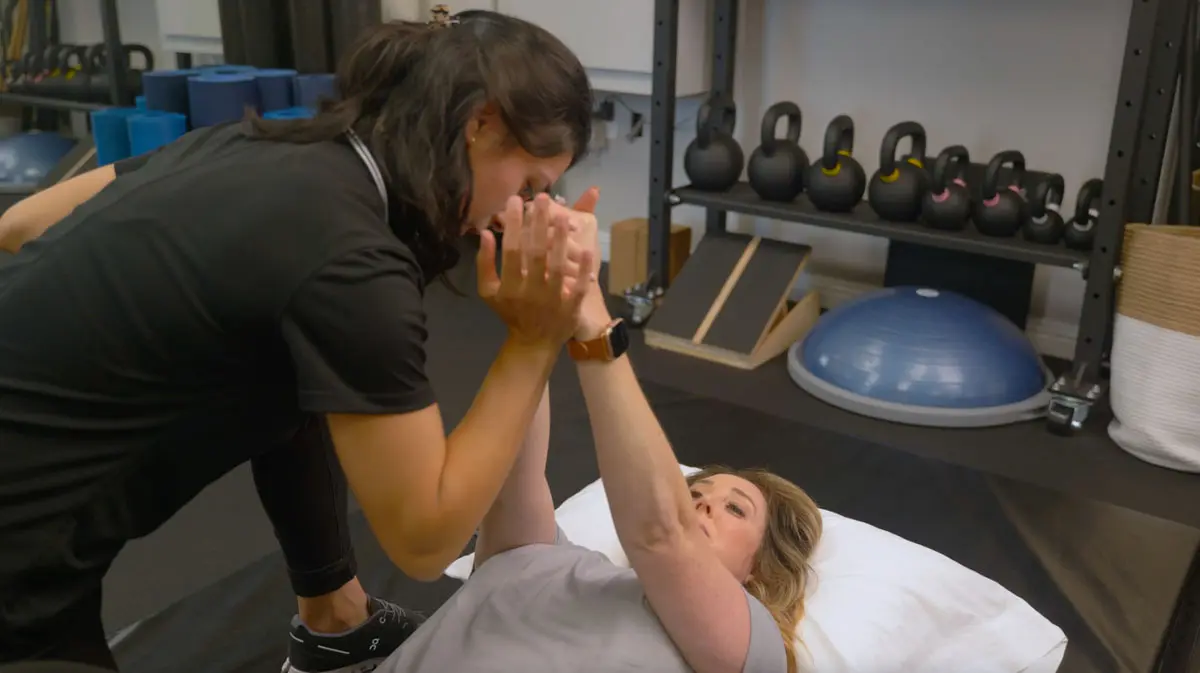
Our one-hour sessions will consist of various manual therapy techniques to address dysfunction at the mechanical level including soft tissues, joints, and viscera. Neuromuscular re-education is performed to establish efficient engagement and sequencing of muscular firing. Patient specific exercises are provided to address motor control.
During our one-hour sessions, we employ manual therapy techniques to address mechanical dysfunction in soft tissues, joints, and viscera. We also focus on neuromuscular re-education for efficient muscle engagement and sequencing, along with personalized exercises to improve motor control.
Frequently Asked Questions
How can pelvic health physical therapy help all genders and non-binary individuals?
Pelvic Health Physical Therapy is for everyone, as all people have pelvic floor muscles. Whether you have biological male or female genitalia, we can help. A common misconception is that this type of therapy is for individuals with female genitalia only, and that is not the case. For example, an individual with male genitalia may seek pelvic health PT for diagnoses such as erectile dysfunction, prostatitis, pelvic pain, constipation, low back pain, hip pain, etc.
What if I have multiple body parts I want to be seen for unrelated to my pelvic symptoms?
Here at IPA Physio, we treat everything and can address multiple body parts at once during a session. We incorporate the whole body, and look into what functional movements are troublesome for you. We use a holistic approach to discover the way that your body is designed to function, and you may find that the pelvic symptoms that you are experiencing are related to and affecting other parts of the body.
I leak urine since my pregnancy. My friends have told me they do too. Should I see a pelvic health physical therapist for this?
Leakage after pregnancy is very common, but it is not normal. Sometimes, leakage resolves as hormone levels balance out. If leakage continues to happen or if there was any tearing that occurred during delivery, pelvic health physical therapy can help. Focusing on postural corrections, body mechanics with holding and carrying your baby, as well as soft tissue mobilization to work through scar tissue can all be addressed during treatment sessions.
If I do kegels regularly, should I still see a pelvic health physical therapist?
Most definitely! While strengthening of the pelvic floor muscles is important, the ability to fully relax these muscles is equally important. The ability to efficiently control the way the pelvic floor muscles contract and relax while performing demanding tasks is necessary to maintain continence, stabilize the pelvis, support the abdominal organs, and engage in sexual intercourse.
Could my low back or hip pain be caused by a pelvic floor dysfunction?
Yes, pelvic floor or pelvic girdle dysfunction can refer pain to the low back and hip region as these areas are interconnected. For example, if the pelvic floor muscles are unable to relax or are in spasm, oftentimes the glutes or low back muscles are also difficult to relax causing pain.
Find Your IPA Clinic
Come experience how Functional Manual Therapy can help resolve the pelvic floor symptoms you have been experiencing.