
Why Does this Happen?
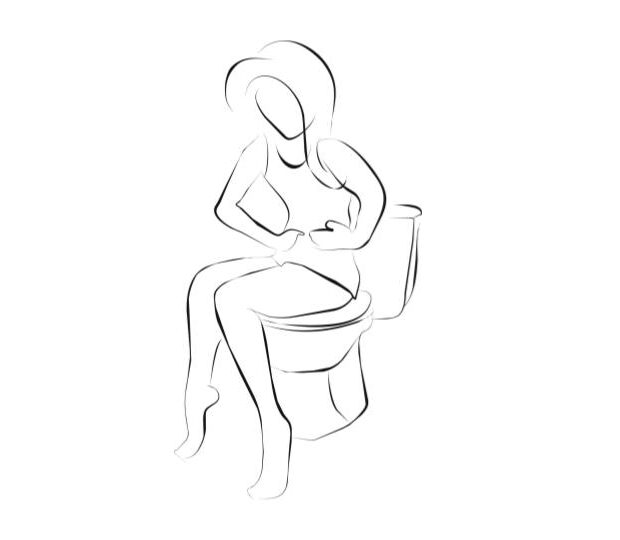
The intricate network of nerves connecting the digestive system to the spine means that disruptions in visceral function may manifest as musculoskeletal issues. For instance, chronic digestive problems, such as acid reflux or irritable bowel syndrome, can contribute to tension and imbalances in the muscles surrounding the abdomen and spine, leading to movement problems and pains that continue to resurface or have not resolved with direct treatment. Or, the reverse is true, tension through the abdominal and pelvic fascia can worsen symptoms of chronic digestive disorders.
Treating Digestive & Visceral Issues
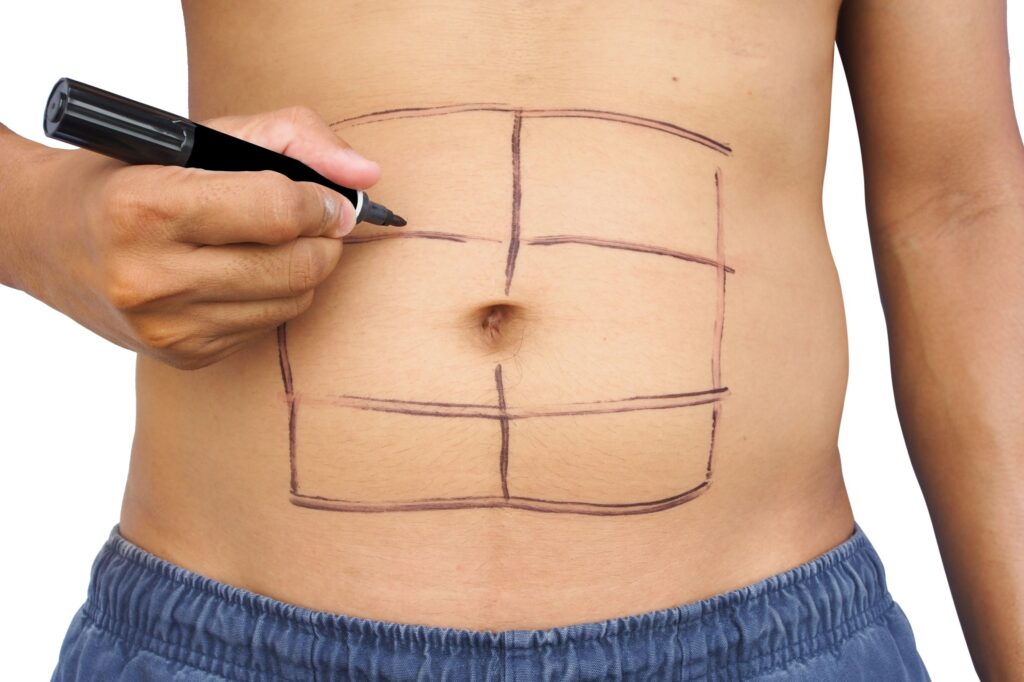
A specialized form of manual therapy taught through the Barral Institute, that has gained attention for its potential to address common digestive issues and musculoskeletal pain conditions through gentle, organ-focused manual therapy treatment. Practitioners trained in visceral manipulation techniques use precise, soft forces to restore the mobility and tone of the viscera and their fascial connections, aiming to enhance the body’s self-regulation and overall structural-functional health. It is most commonly applied to chronic musculoskeletal pain and digestive issues.
A specialized form of manual therapy taught through the Barral Institute, that has gained attention for its potential to address common digestive issues and musculoskeletal pain conditions through gentle, organ-focused manual therapy treatment. Practitioners trained in visceral manipulation techniques use precise, soft forces to restore the mobility and tone of the viscera and their fascial connections, aiming to enhance the body’s self-regulation and overall structural-functional health. It is most commonly applied to chronic musculoskeletal pain and digestive issues.
Our Blended Approach to Visceral Treatments
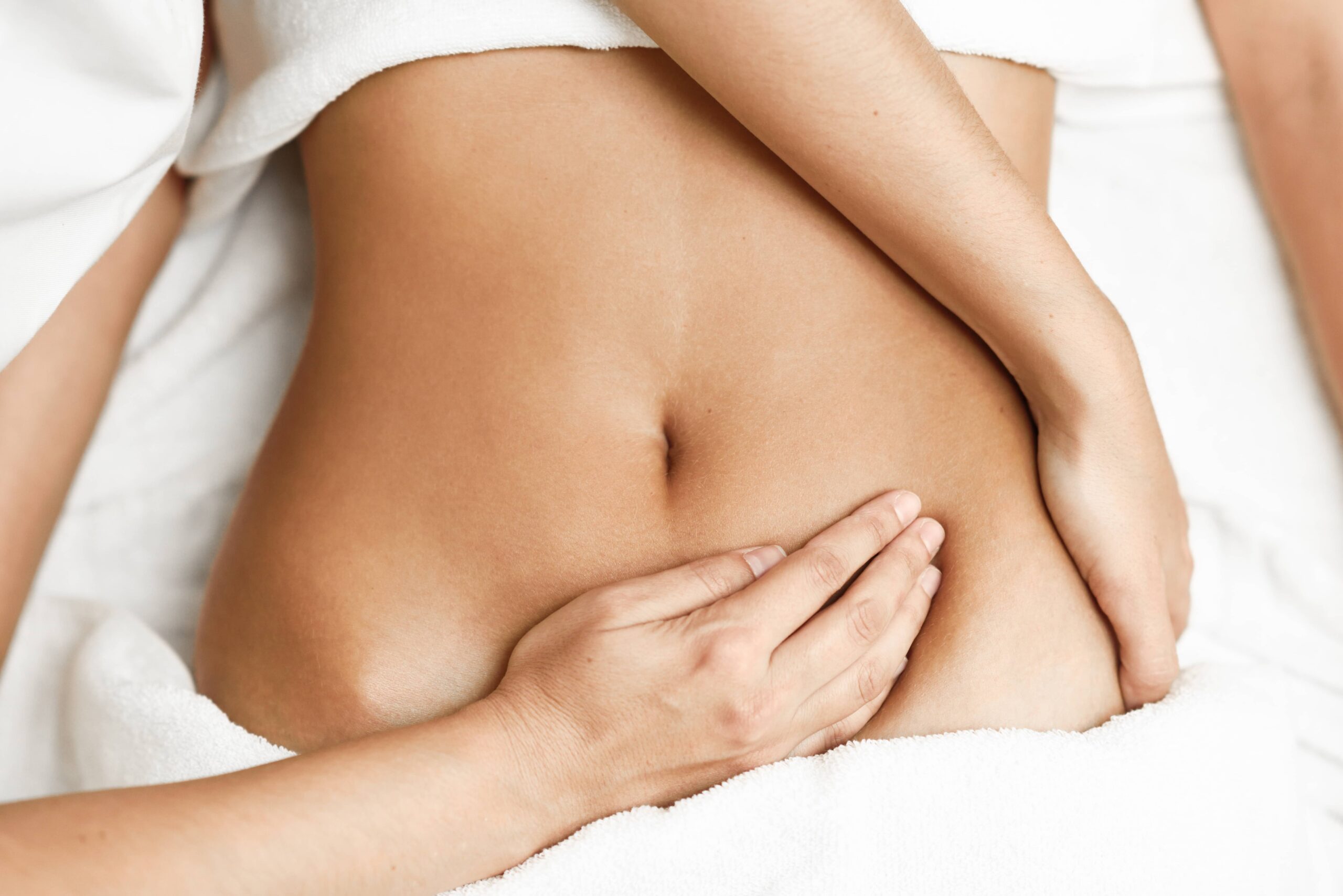
At IPA Physio, our practitioners are often trained in both VM and VFM approaches to improve the mobility of your viscera, and will seamlessly blend the approaches to provide superior results.
Following mobility treatments, a practitioner trained in VM will use gentle, hands-on techniques to restore efficiency to the rhythmic motions of the viscera, called “motility”. Healthy motility is extremely important for the function of the digestive system, and the health of the related nerves.
Benefits of Visceral Treatments
Visceral treatments will help with many conditions, including some conditions of the spine and extremities. Your IPA Physio clinician will assess your specific set of movement impairments to determine whether you would benefit from treatment of your viscera. Research and anecdotal evidence suggest that visceral manipulation may be beneficial for conditions such as:
-

Acid Reflux
Our practitioners will frequently prioritize assessing and correcting restrictions or imbalances in the diaphragm, which plays a crucial role in preventing stomach acid from refluxing into the esophagus. Through gentle manipulation techniques applied to the diaphragm and surrounding structures, flexibility and function can be enhanced, likely reducing, or completely eliminating, acid reflux symptoms. The improved mobility of the diaphragm and surrounding organs also reduces rib cage stiffness and enhances overall trunk motion.
-

Bloating / Cramping
Many individuals experiencing bloating and cramping during menstruation may find relief through addressing lymphatic and organ mobility in the pelvis. Practitioners employ palpation and gentle manipulation to identify and alleviate restrictions or tension in the connective tissues surrounding major blood vessels, reproductive organs, bladder, colon, and intestines. By targeting these areas, practitioners aim to enhance nerve function, regulate pressure, and improve lymphatic and blood flow, ultimately promoting better organ mobility and digestion. This often results in more efficient blood and lymphatic exchange, reducing bloating. Those experiencing menstrual pain may also find relief, with improved movement potential in the hips and legs.
-

IBS / Constipation
Our practitioners will employ palpation and gentle manipulation to detect and alleviate restrictions or tension in the connective tissues surrounding the intestines. By addressing these limitations, practitioners aim to improve blood flow, nerve function, pressure modulation, and overall organ mobility, often resulting in enhanced peristalsis—the coordinated muscle contractions that propel stool through the digestive tract. Improving the function of this area can alleviate symptoms like constipation and enhance overall body movement potential.
-
Acid Reflux
Our practitioners will frequently prioritize assessing and correcting restrictions or imbalances in the diaphragm, which plays a crucial role in preventing stomach acid from refluxing into the esophagus. Through gentle manipulation techniques applied to the diaphragm and surrounding structures, flexibility and function can be enhanced, likely reducing, or completely eliminating, acid reflux symptoms. The improved mobility of the diaphragm and surrounding organs also reduces rib cage stiffness and enhances overall trunk motion.
-
Bloating / Cramping
Many individuals experiencing bloating and cramping during menstruation may find relief through addressing lymphatic and organ mobility in the pelvis. Practitioners employ palpation and gentle manipulation to identify and alleviate restrictions or tension in the connective tissues surrounding major blood vessels, reproductive organs, bladder, colon, and intestines. By targeting these areas, practitioners aim to enhance nerve function, regulate pressure, and improve lymphatic and blood flow, ultimately promoting better organ mobility and digestion. This often results in more efficient blood and lymphatic exchange, reducing bloating. Those experiencing menstrual pain may also find relief, with improved movement potential in the hips and legs.
-
IBS / Constipation
Our practitioners will employ palpation and gentle manipulation to detect and alleviate restrictions or tension in the connective tissues surrounding the intestines. By addressing these limitations, practitioners aim to improve blood flow, nerve function, pressure modulation, and overall organ mobility, often resulting in enhanced peristalsis—the coordinated muscle contractions that propel stool through the digestive tract. Improving the function of this area can alleviate symptoms like constipation and enhance overall body movement potential.
Team Approach
While some individuals may find relief through visceral manipulation, it should be considered as part of a comprehensive approach to managing these digestive issues. Open communication with your PT and other collaborative healthcare professionals about your symptoms and medical history is critical for effective diagnosis and treatment planning, ensuring the most appropriate and effective care.